Closed-die forging of ball valve bodies and other safety-critical components leaves no room for shortcuts. That is why every Longrui forging moves through the same tightly controlled chain of production and quality-control stages, from the moment raw steel arrives at our yard to the day finished parts are loaded for shipment.
Each stage below is performed by dedicated operators, recorded on batch cards and fully traceable to the material certificate. If you are qualifying a new forging supplier, this is exactly how your parts will be made. The presses and size limits behind these stages are on the Capability page; the standards behind the certificates are on API 20C & NORSOK M-650.
Raw Material Inspection
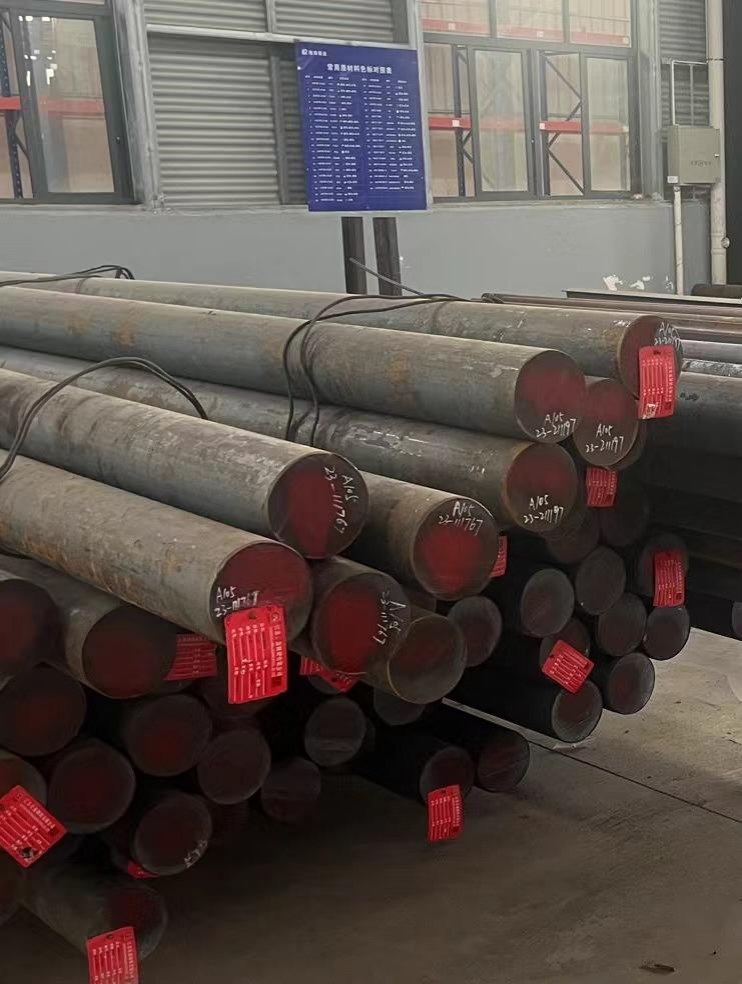
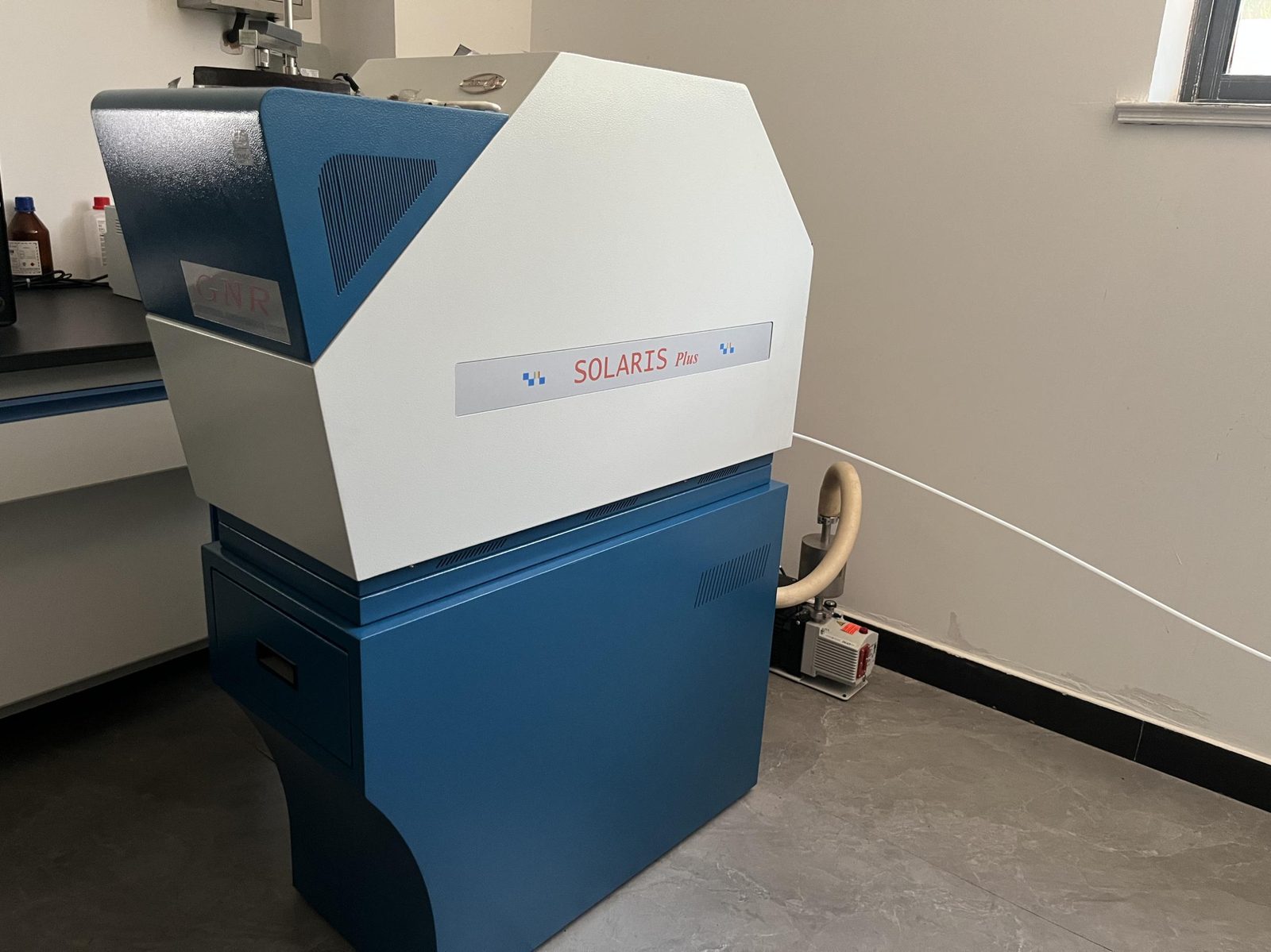
Incoming steel bars are placed in a designated quarantine area and tagged with grade and heat number before release. The chemical composition of every heat is verified with our GNR spark optical emission spectrometer (Italy); only confirmed material moves on to cutting.
Saw Cutting
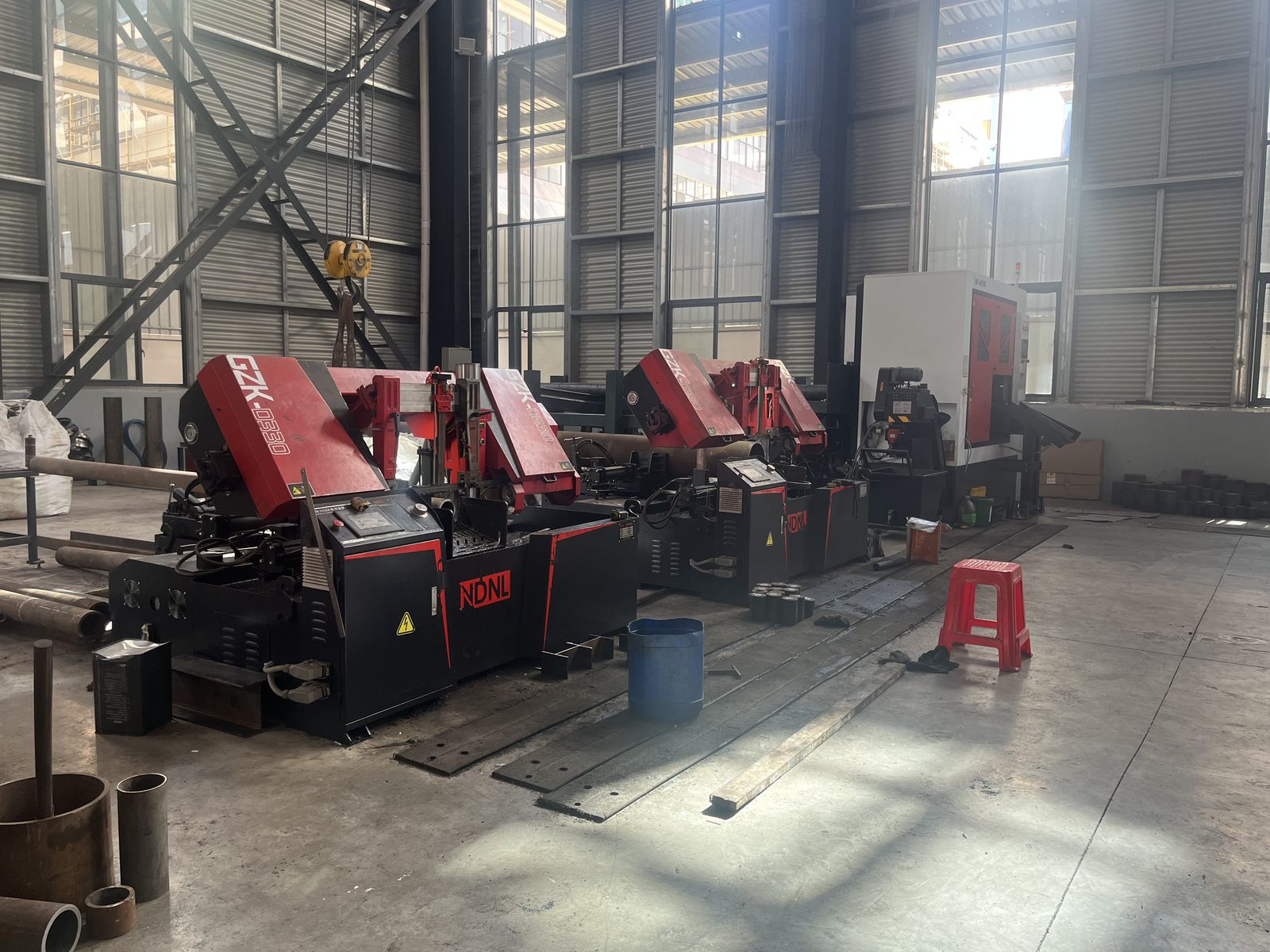
Bars are cut to the calculated forging weight on band saws. Each billet is weighed after cutting and marked with its heat and lot number, so the batch stays traceable from the very first operation.
Heating
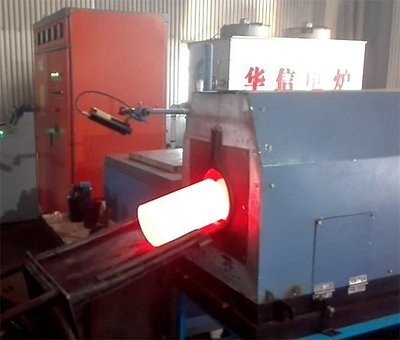
Billets are heated to forging temperature in temperature-controlled electric resistance furnaces. Heating parameters are set for each material grade, keeping every billet inside the correct temperature window before forming.
Pre-forging
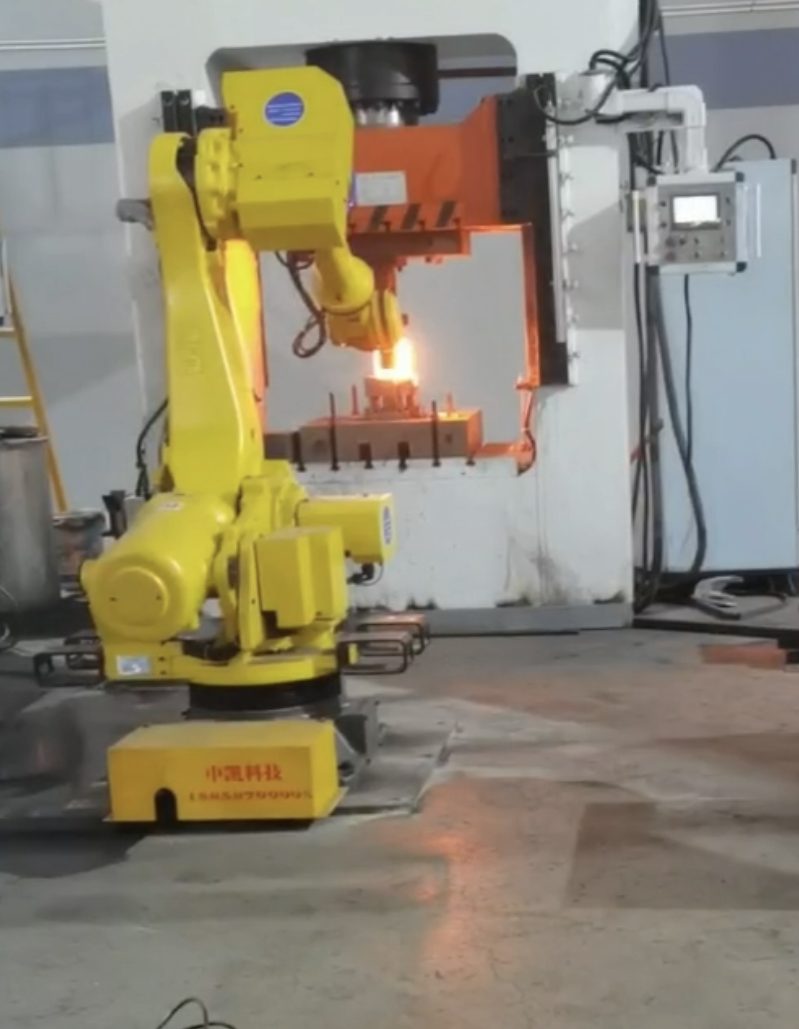
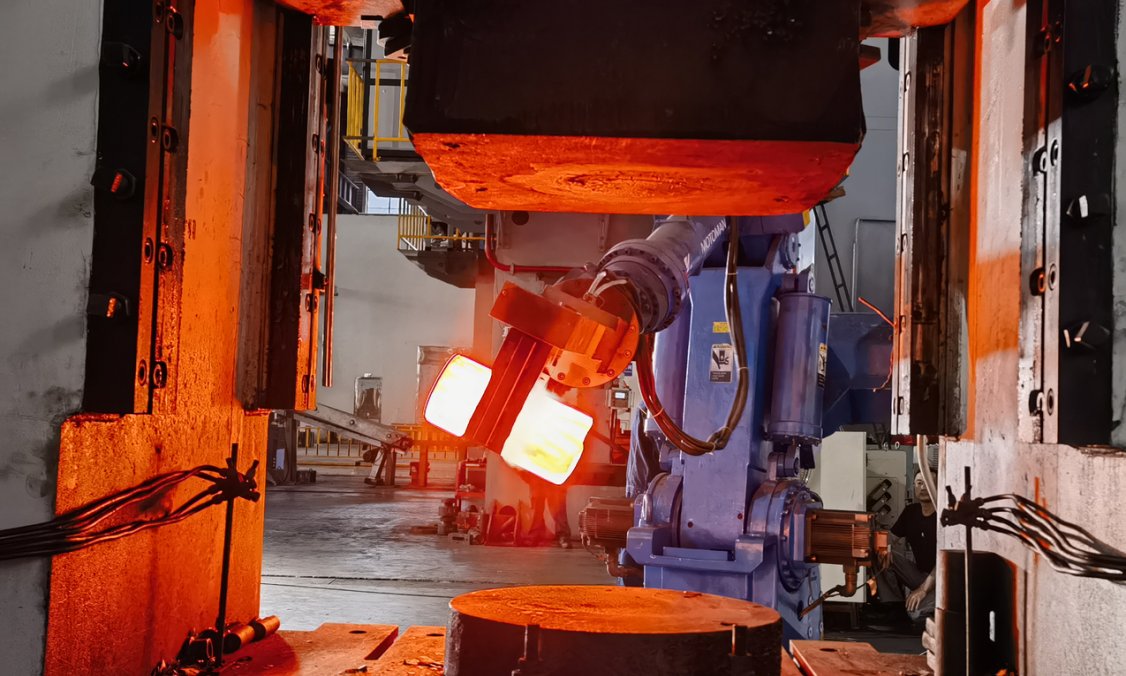
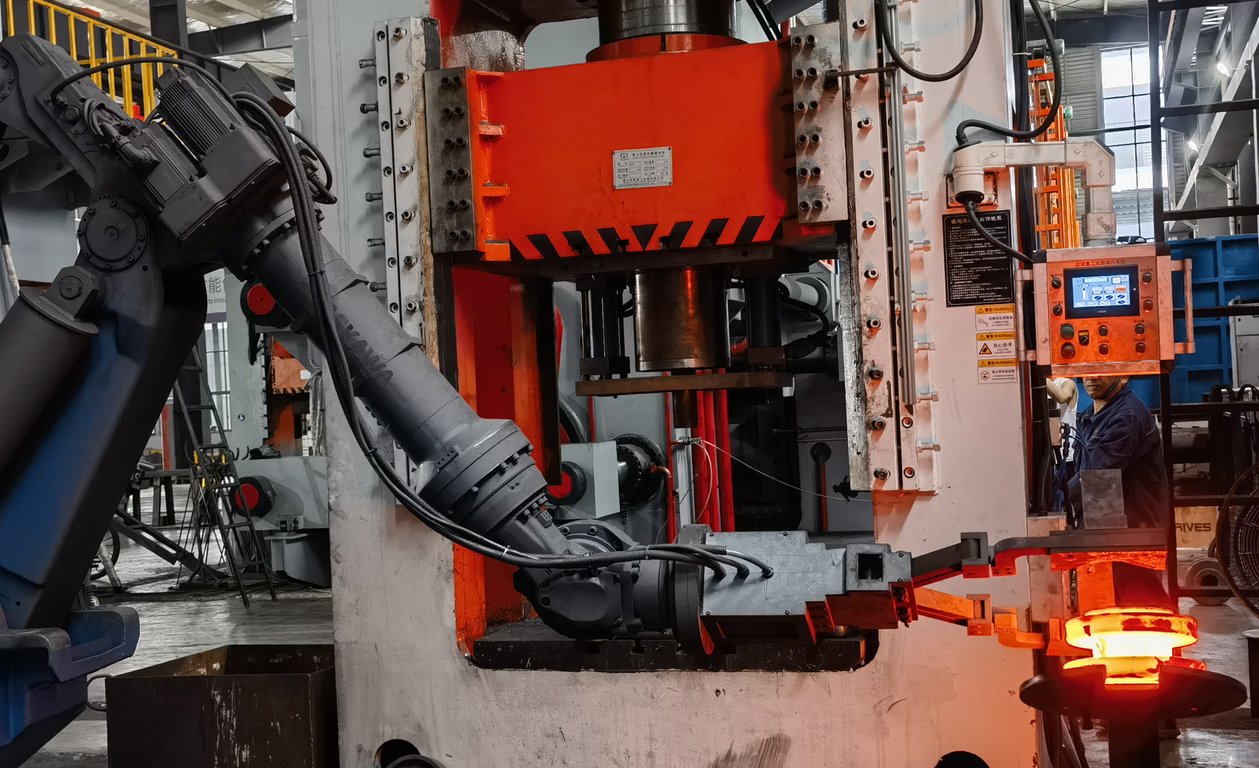
A robotic manipulator takes the hot billet from the furnace line, transfers it into the die of our multi-directional forging press and positions it precisely for forming: fast, repeatable and safe, with the operator kept away from the heat.
Closed-die Forging
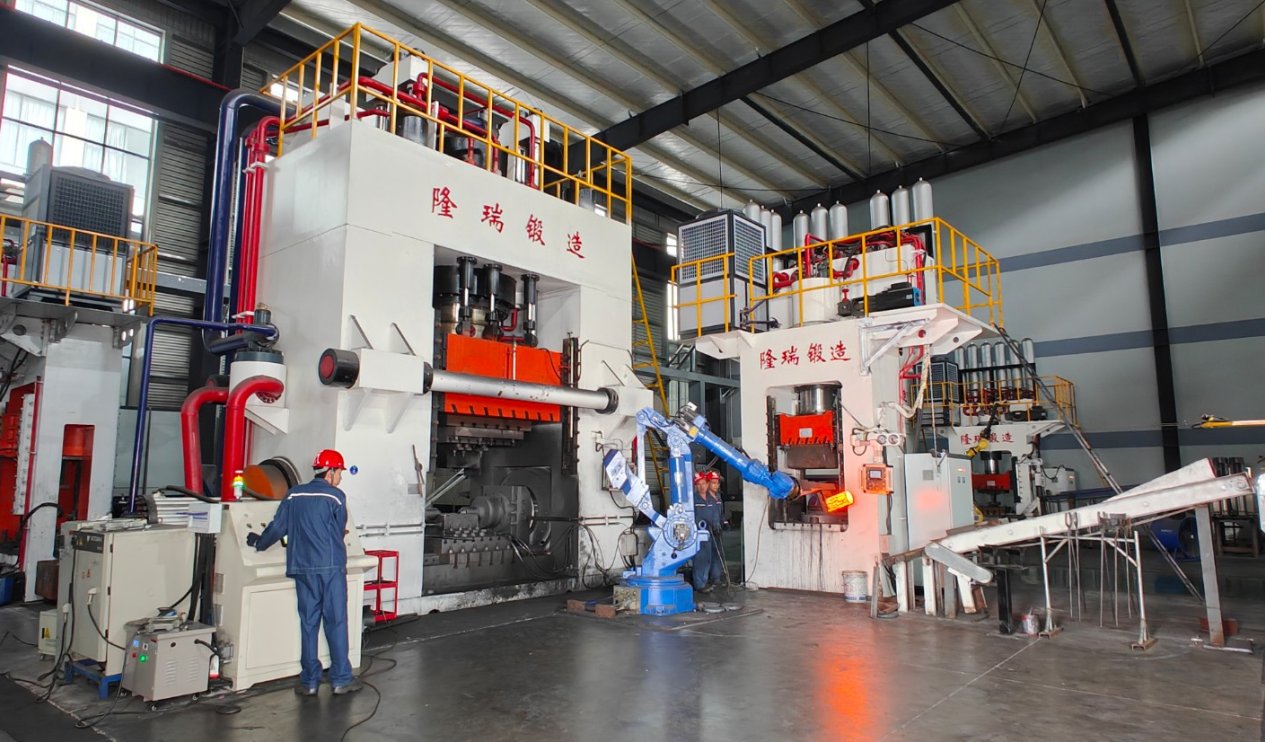
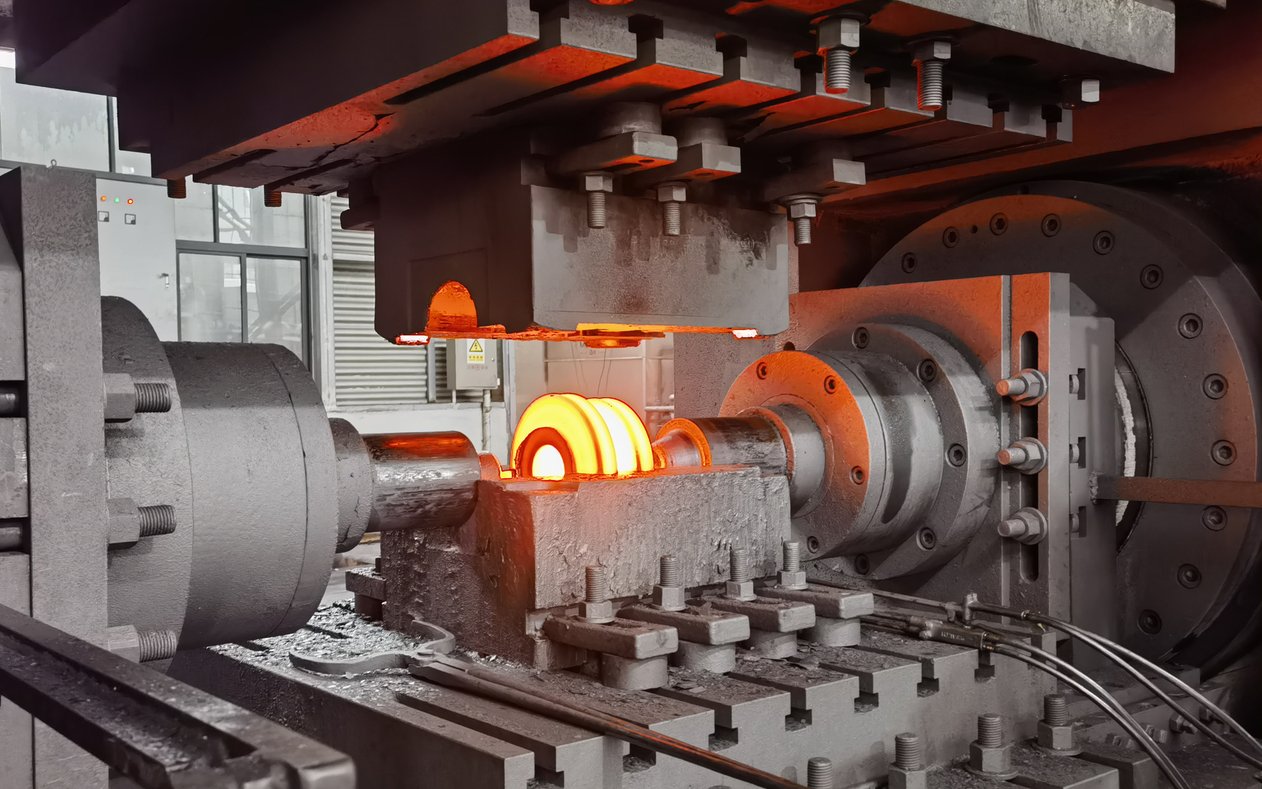
Parts are forged to near-net shape in closed dies on our 6000 T / 3000 T / 2000 T multi-directional hydraulic presses. Forging temperature is monitored during the operation with infrared pyrometers, so deformation and microstructure stay consistent from part to part.
Grinding & Surface Inspection
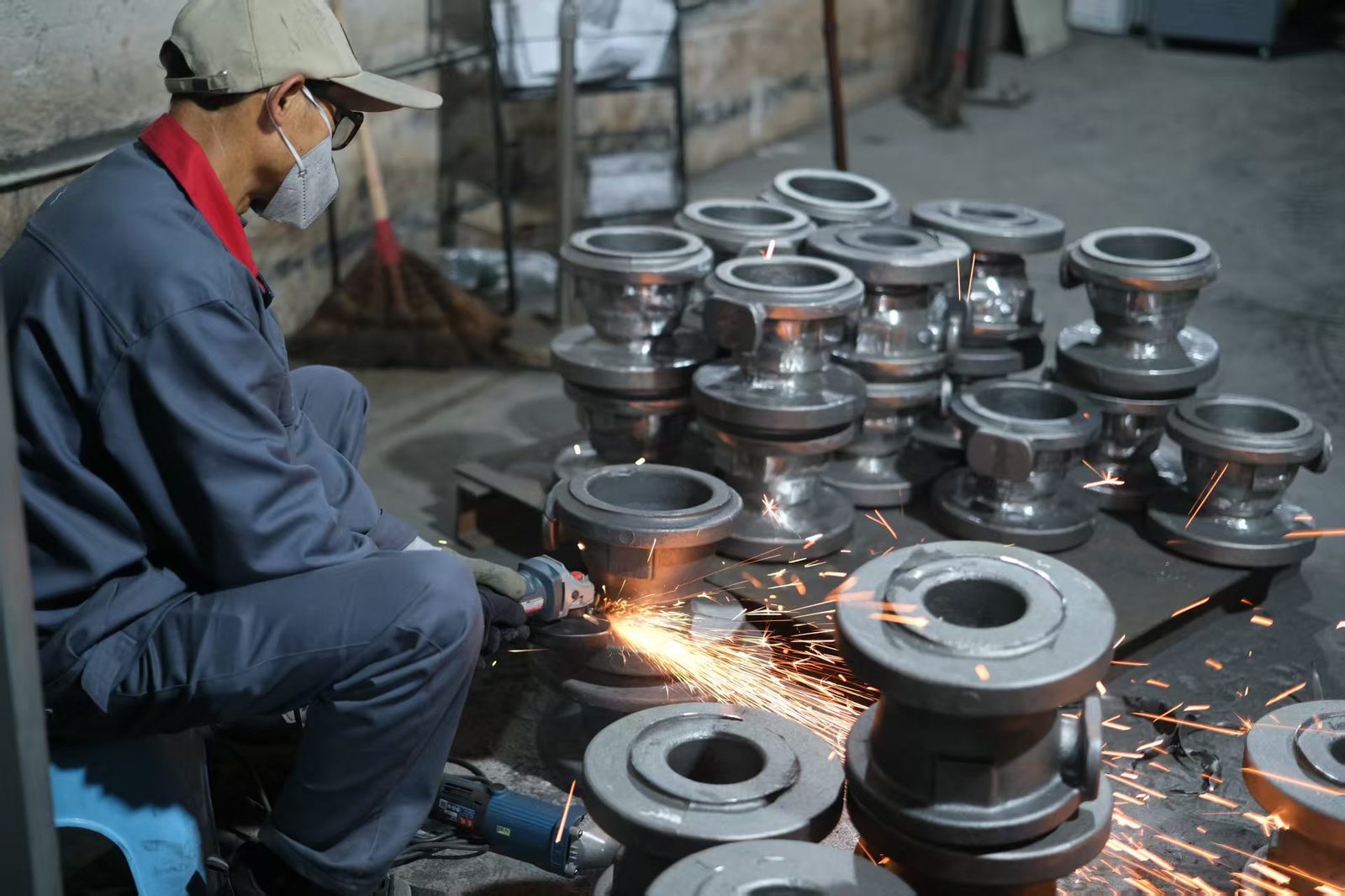
Flash and surface defects are removed by experienced operators with angle grinders. Every part is visually inspected for surface quality before it moves on to heat treatment.
Heat Treatment
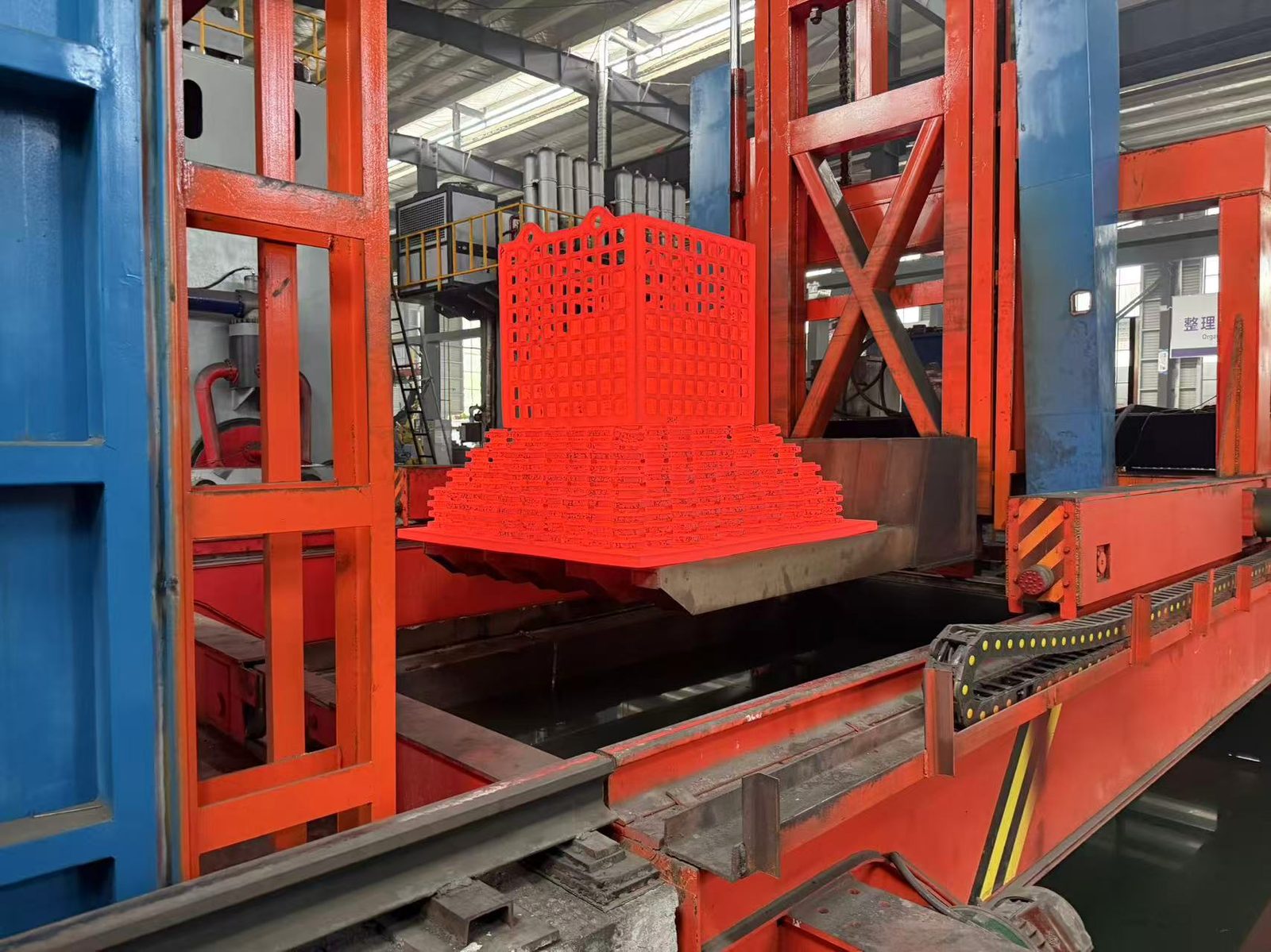
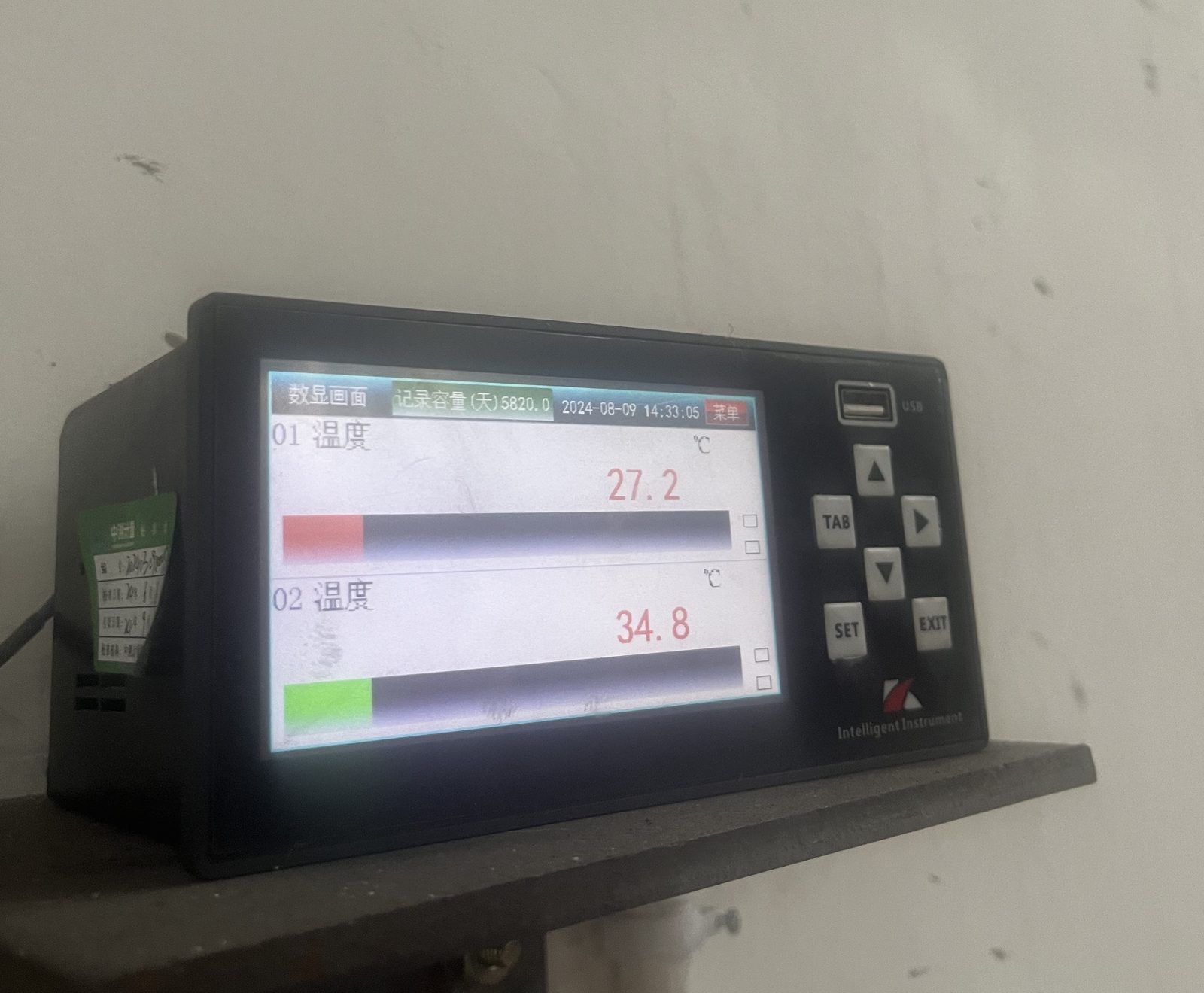
Forgings are quenched and tempered in temperature-controlled box-type resistance furnaces. Furnace temperature and cooling-medium temperature are continuously monitored and recorded to guarantee the specified mechanical properties.
Mechanical Property Testing
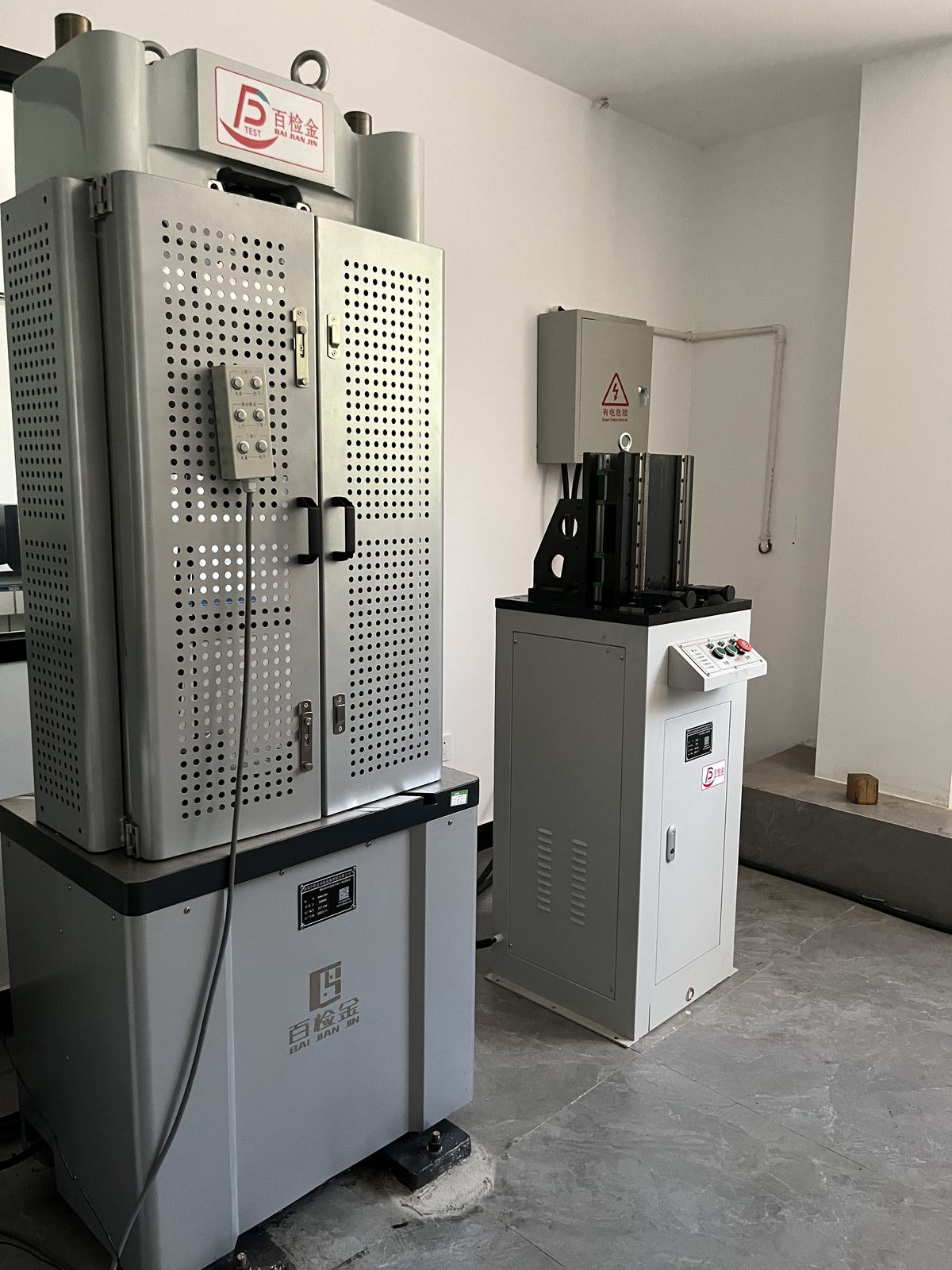
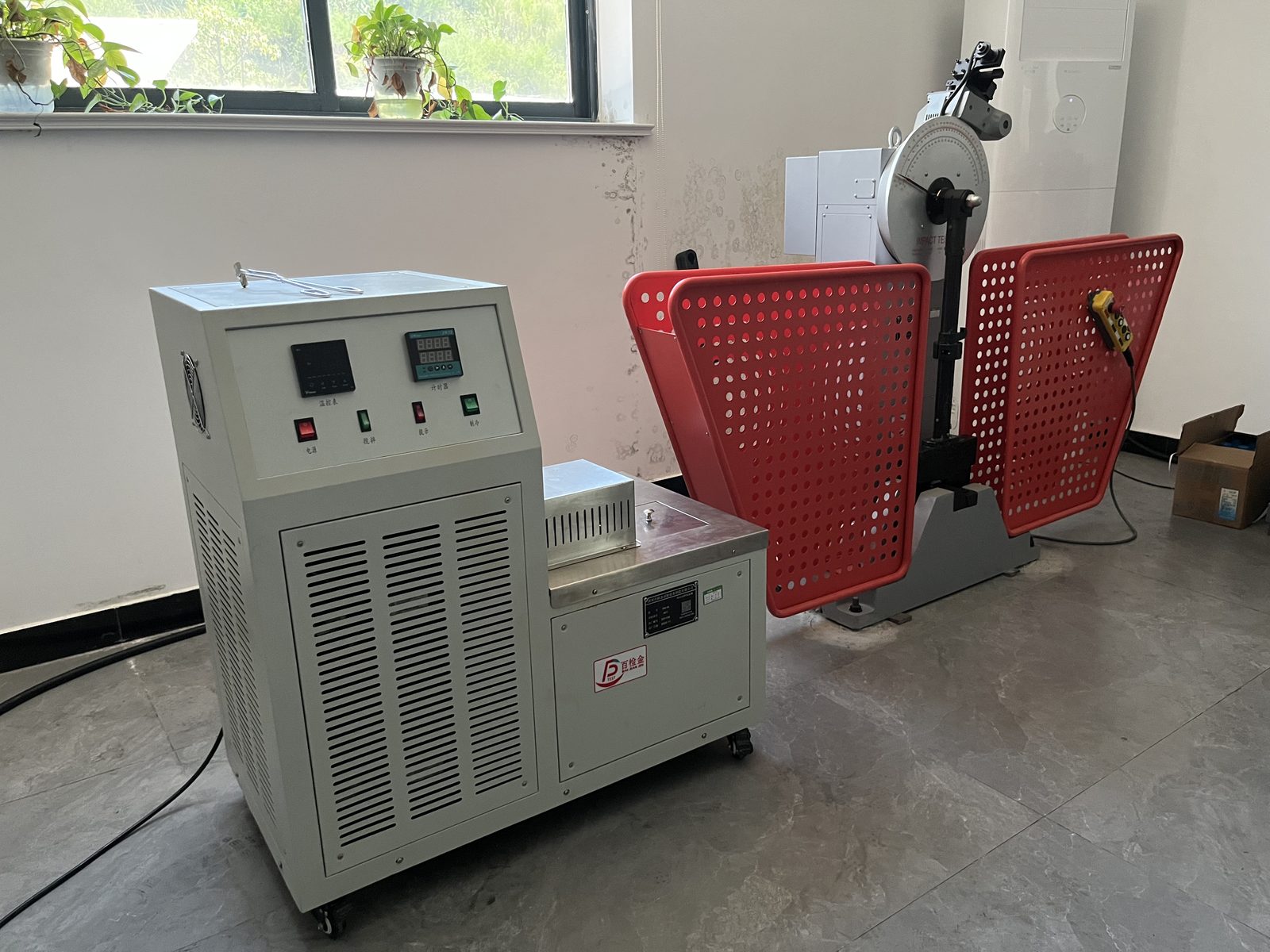
Test specimens from every batch are prepared and tested in our in-house laboratory: tensile strength, yield and elongation on a servo-hydraulic universal testing machine; Charpy impact energy, including low-temperature tests, on automatic impact testers; hardness with a portable Brinell tester.
Non-destructive Testing (NDT)
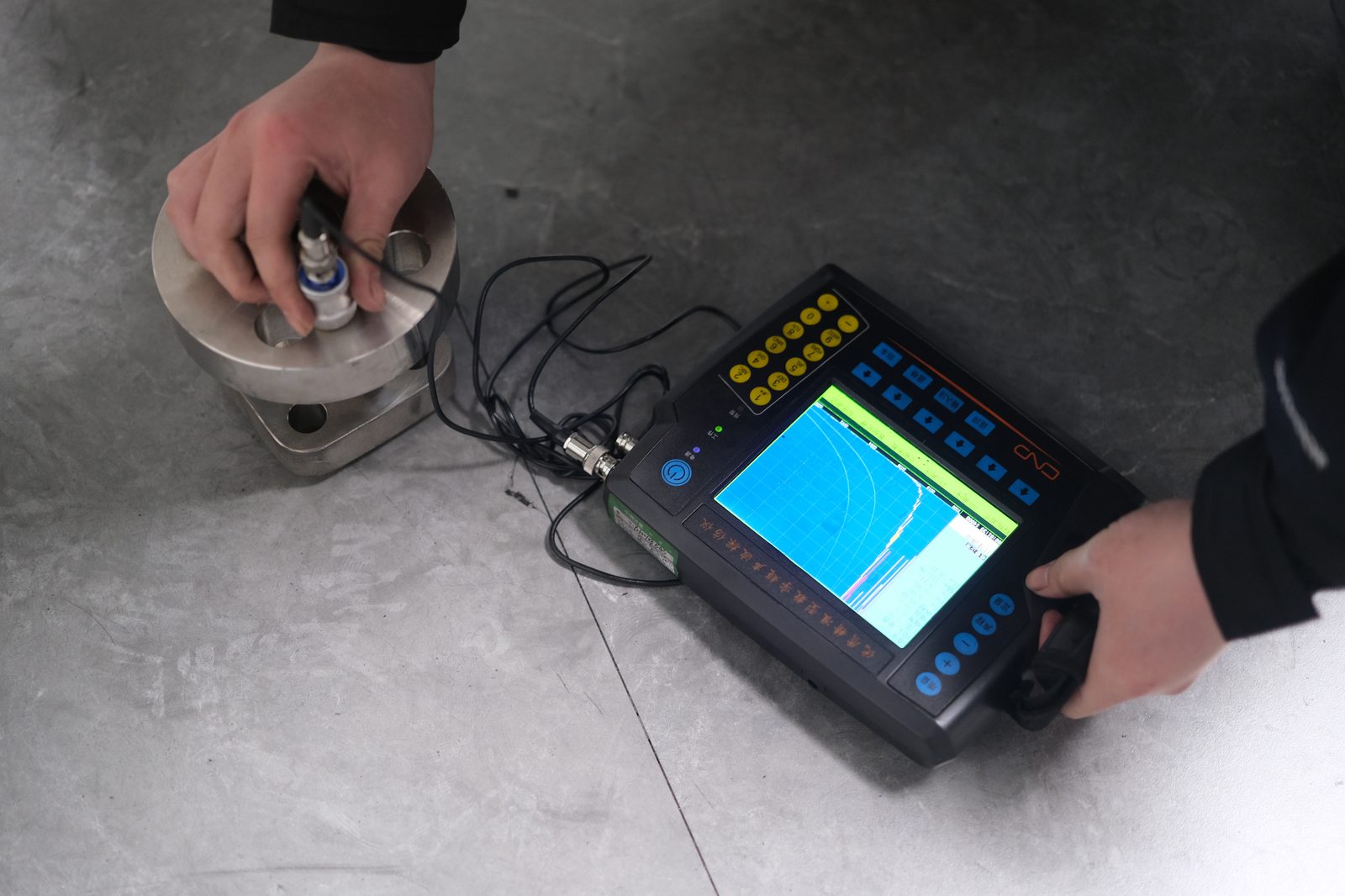
Forgings are examined by ultrasonic testing (UT), which detects internal discontinuities; magnetic particle (MT) and liquid penetrant (PT) testing are available on request. Test reports are issued for every batch.
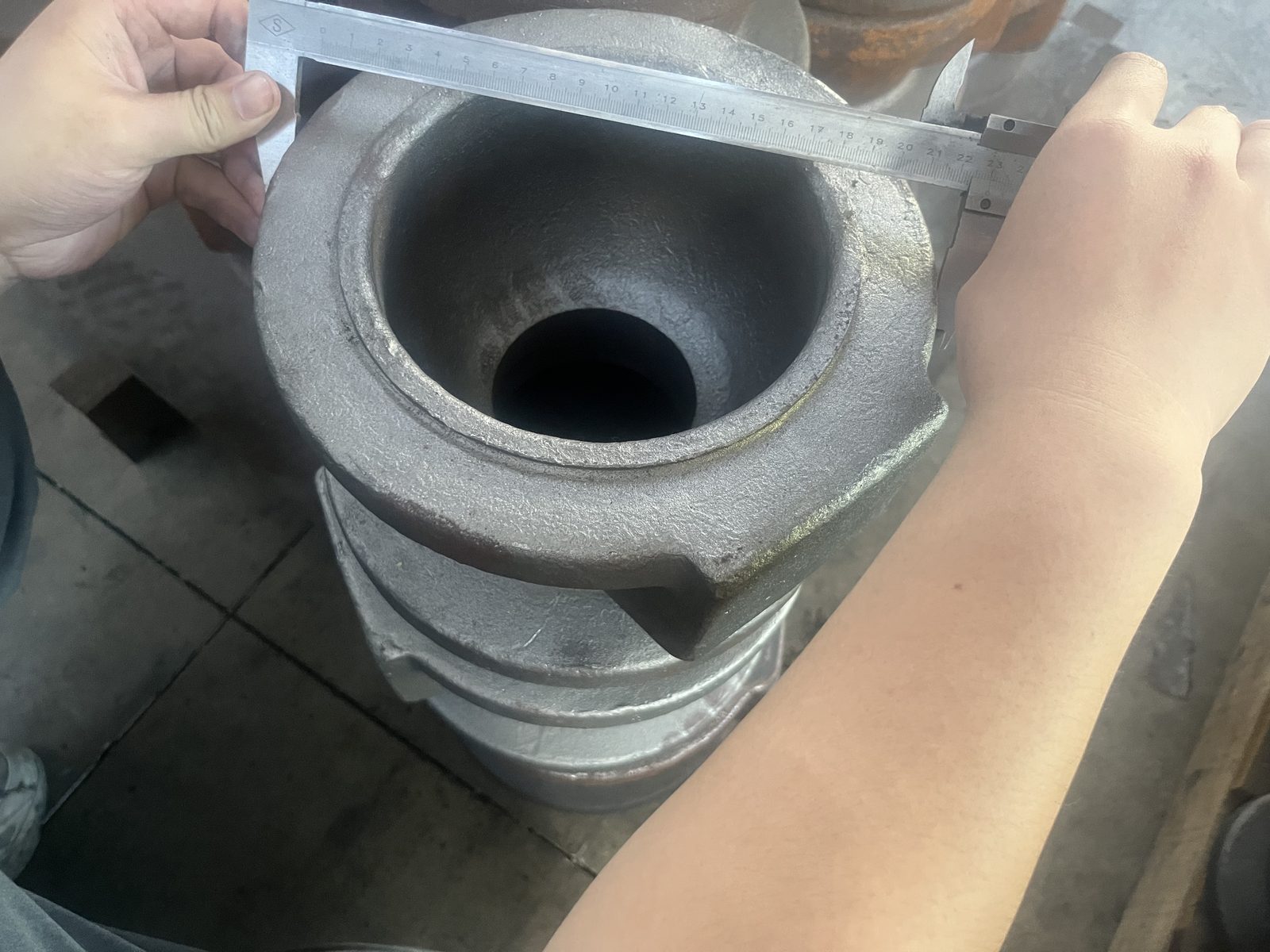
Machining & Dimensional Inspection
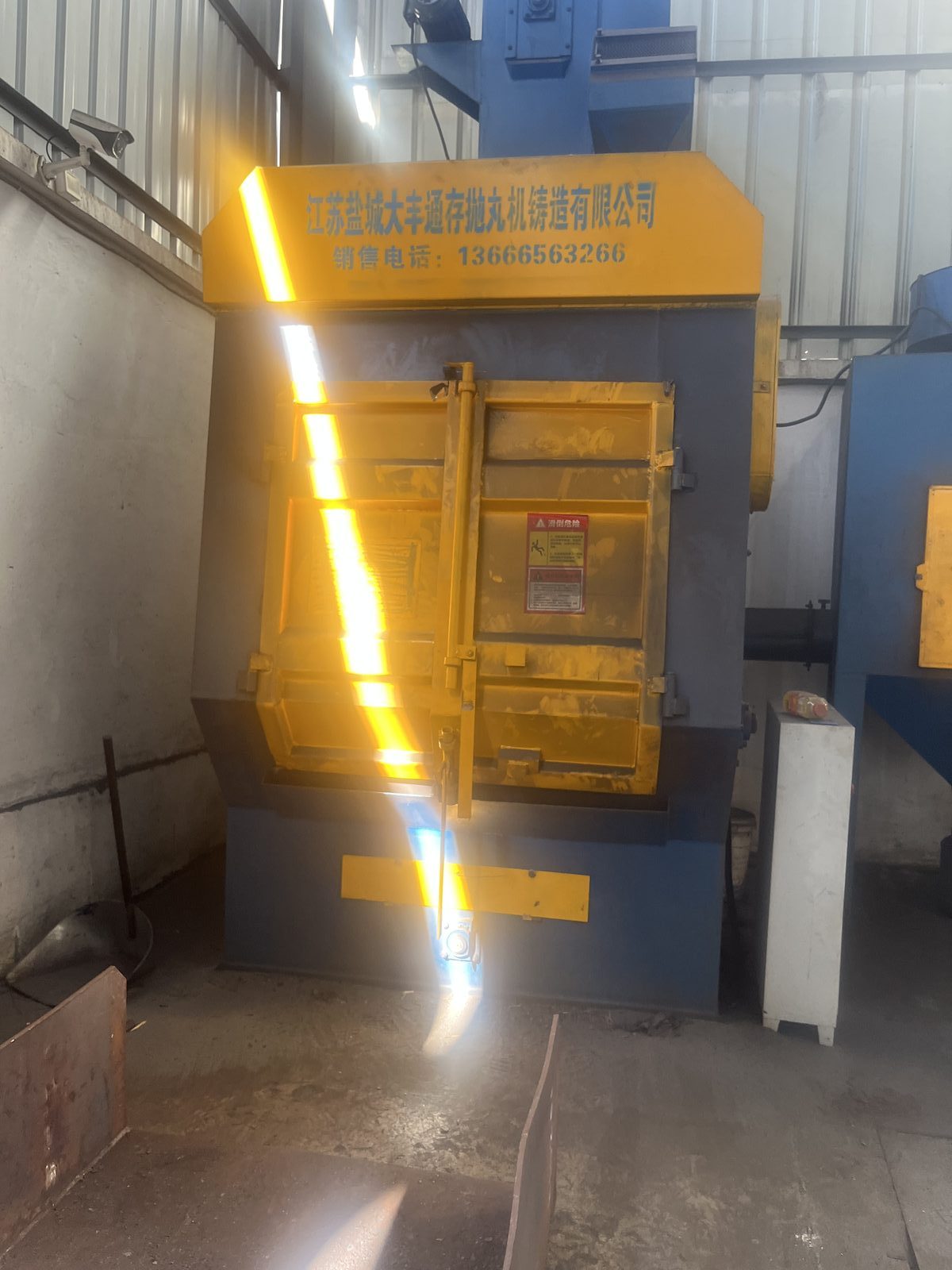
After heat treatment, parts are shot-blasted to clean the surface and then machined to the customer drawing. Critical dimensions are verified with precision measuring instruments before the parts leave the machine shop.
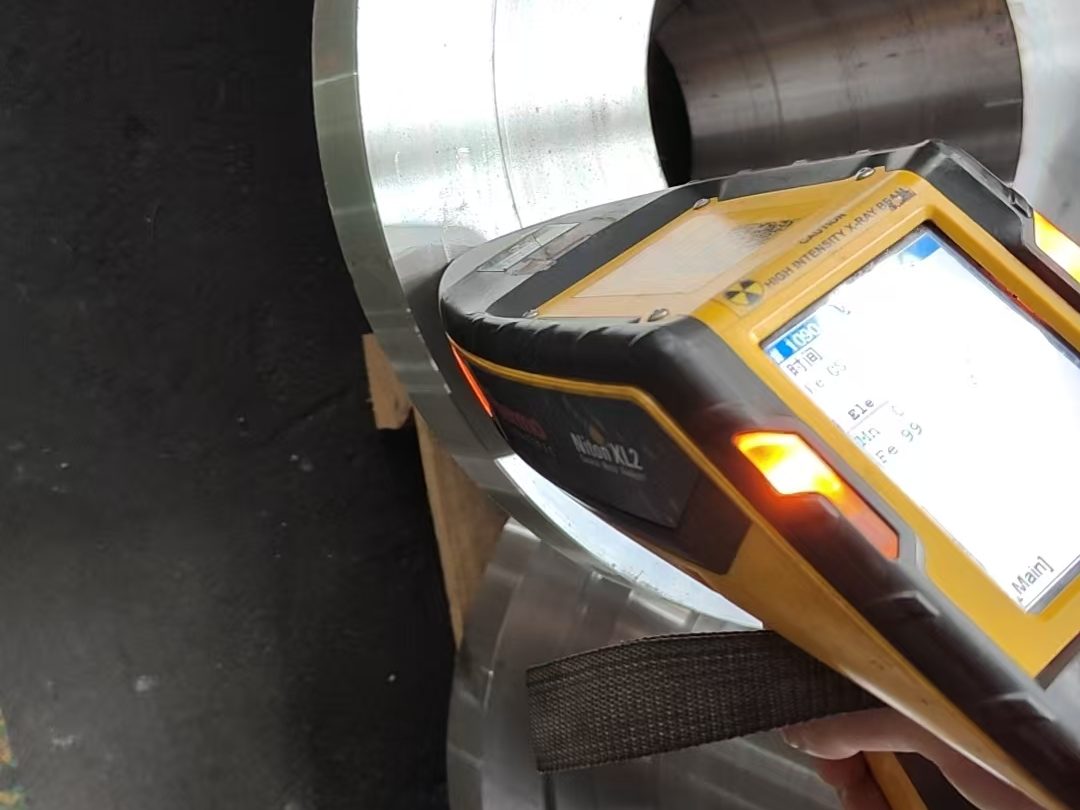
Final Verification & Dispatch
Before packing, the material identity of every finished part is re-checked against the original certificate with a handheld XRF spectrometer (Thermo Scientific Niton). Parts are then packed and shipped together with material certificates, test reports and the packing list.
Every forging leaves our plant with complete traceability and documentation. Send us your drawing and we will review it for die-forging feasibility and get back to you with our process proposal.
Get a Quote