Alloy 625 is the nickel alloy that comes up when a part has to survive seawater, sour gas or a chemical process without being replaced every few years. Buyers know it as Inconel 625 as well as Alloy 625, and by its UNS number N06625. It is a nickel-chromium-molybdenum alloy, strengthened by solid solution rather than by heat treatment, and it holds usable strength from sub-zero temperatures up to around 980 °C.
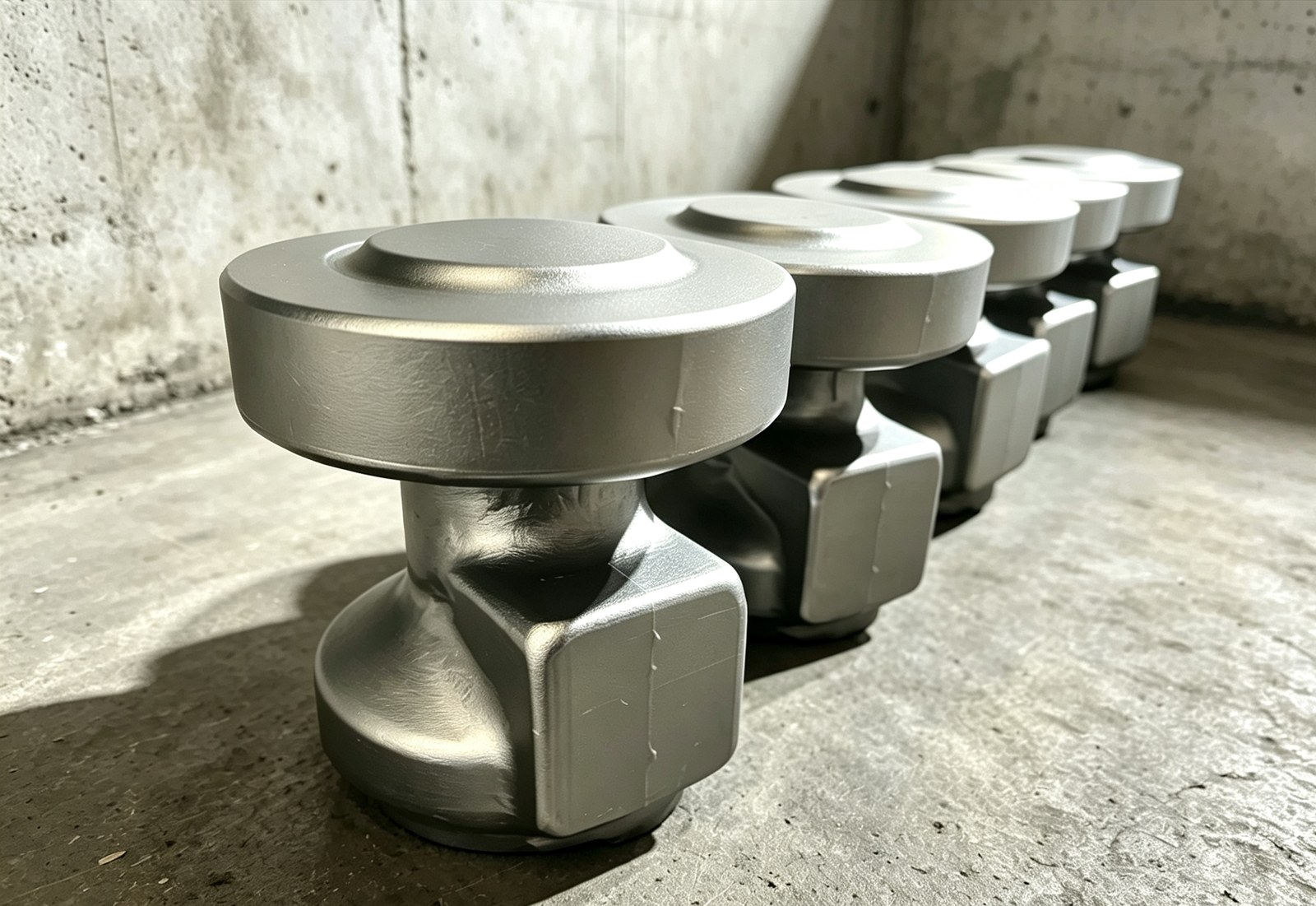
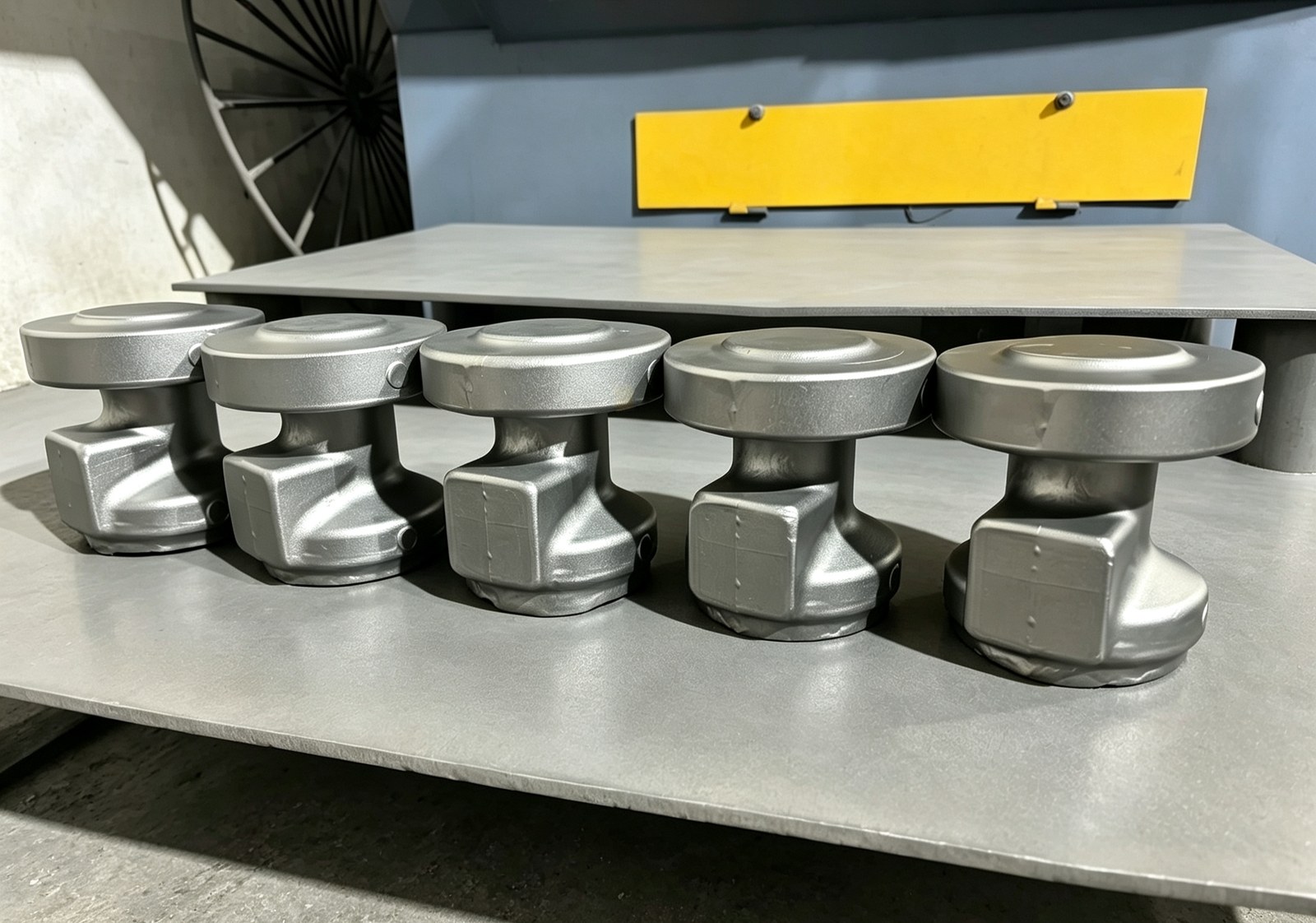
Longrui Forging forges Alloy 625 in house, in Yunhe County, Zhejiang, China: valve bodies and covers, flanges, hubs and custom parts, from 5 kg to 520 kg per piece, forged to ASTM B564 on the 6,000 T multi-directional press, solution annealed and tested under our own roof.
What Alloy 625 Is
The grade is written as Alloy 625, UNS N06625 (Werkstoff 2.4856). Inconel 625 is the trademark Special Metals uses for the same alloy, and Inconel is a producer’s brand name rather than a material description, so the UNS number is what we put on the drawing review and the certificate.
| Element | Typical range (weight %) |
|---|---|
| Nickel | 58.0 minimum |
| Chromium | 20.0 – 23.0 |
| Molybdenum | 8.0 – 10.0 |
| Niobium + tantalum | 3.15 – 4.15 |
| Iron | 5.0 maximum |
Two consequences of that composition matter to a buyer:
- Strength comes from solid solution, not from ageing. Molybdenum and niobium stiffen the nickel-chromium base, so the alloy reaches its properties after solution annealing. There is no precipitation-hardening step to control, which is one reason 625 is more forgiving to process than Alloy 718.
- It is non-magnetic and stays tough at low temperature. The Curie temperature is around −196 °C, which is why 625 turns up in cryogenic and non-magnetic service as well as in hot sections.
What 625 Demands in the Forge
Nickel alloys do not soften the way carbon steel does when they are heated. 625 keeps much of its strength at forging temperature, so the press has to work harder, and the temperature window between “too cold to flow” and “grain growth” is narrower than for stainless. That combination is what rules out smaller presses and casual process control.
What we control on a 625 job:
- Heating and forging temperature, held inside the window for the grade and recorded batch by batch.
- Solution annealing after forging, so the alloy finishes in the condition its properties are quoted in.
- Verification before dispatch: chemistry, tensile properties, impact at low temperature, hardness and ultrasonic testing, all done in our own laboratory. The quality control page sets out what each stage checks and what record it leaves.
- Machining, where the part is supplied finished: nickel alloys work-harden, so the cutting data is set for the grade rather than for steel.
Where Alloy 625 Is Specified
- Seawater and subsea hardware, where chlorides destroy stainless steel and the part cannot be painted or replaced.
- Sour service, meaning wells and process streams carrying hydrogen sulphide. Alloy 625 is listed in NACE MR0175 / ISO 15156, which is the specification the industry quotes.
- Chemical and petrochemical plant, including equipment that sees mixed acids and chlorides.
- High-temperature oxidation and carburisation, where the part also has to resist scaling and carbon pick-up.
- Valve internals and bodies on oil, gas and process duty, including parts that have to stay non-magnetic.
Inconel 625 vs Inconel 718 (Alloy 625 or 718)
Both are nickel alloys and both are forged, but they are chosen for different reasons.
| Question | Alloy 625 (N06625) | Alloy 718 (N07718) |
|---|---|---|
| Strengthening | Solid solution, after annealing | Precipitation hardening, solution plus ageing |
| Strength level | Moderate, and stable | High: roughly 830 to 1000 N/mm² proof after ageing |
| Best temperature range | From cryogenic service up to about 980 °C oxidation duty | Where high strength is needed at temperature; sources quote a useful range around 650 to 750 °C |
| Sour service | Listed in NACE MR0175 / ISO 15156 | Also used in sour and downhole service, with hardness limits |
| Machinability | Difficult, work-hardens | Difficult, and harder again in the aged condition |
| Typical parts | Seawater and chemical hardware, valve bodies, flanges, exhaust sections | Downhole and wellhead parts, high-strength fasteners, turbine and high-temperature valve parts |
| Relative cost | Baseline for the two | Higher, on alloy content and heat treatment |
If the deciding factor is corrosion, 625 is normally the answer. If the deciding factor is strength at temperature, Alloy 718 is. Corrosion duty points the other way for acids: for a wet acid at ordinary temperature, Alloy 825 usually costs less for the same service. Where both apply to the same part, it is worth sending the specification rather than choosing from a table, because the answer usually sits in the test requirements.
What We Forge in 625
- Ball valve bodies and covers, two-piece and three-piece, 1/2″ to 12″, Class 150 to 2500, in the condition your drawing calls for
- Flanges and ring parts
- Hubs, sleeves and custom shapes
- Supplied as-forged, rough machined, or finish machined to drawing
- Single-piece weight from 5 kg to 520 kg; machining envelope Ø600 × 1000 mm
The same press and the same heat treatment lines run our carbon, stainless, duplex and nickel work, so a mixed order does not have to be split between suppliers.
Standards, Documents and Testing
Forgings are made to ASTM B564, the specification for nickel alloy forgings, which covers N06625 along with the other nickel grades in our range. Bar and other product forms carry their own specifications (ASTM B446, AMS 5666) and the raw stock arrives with its mill certificate.
With the shipment comes a 3.1 certificate, traceable to the heat. Where a project specification needs witnessed testing, a 3.2 carrying an outside countersignature can be arranged on request, and it is quoted separately rather than included in the price of the parts. Test results, UT reports and the heat-treatment record travel with the parts, and each piece is re-checked for identity with a handheld XRF spectrometer before it is packed.
Where the Value Comes From on a Nickel Job
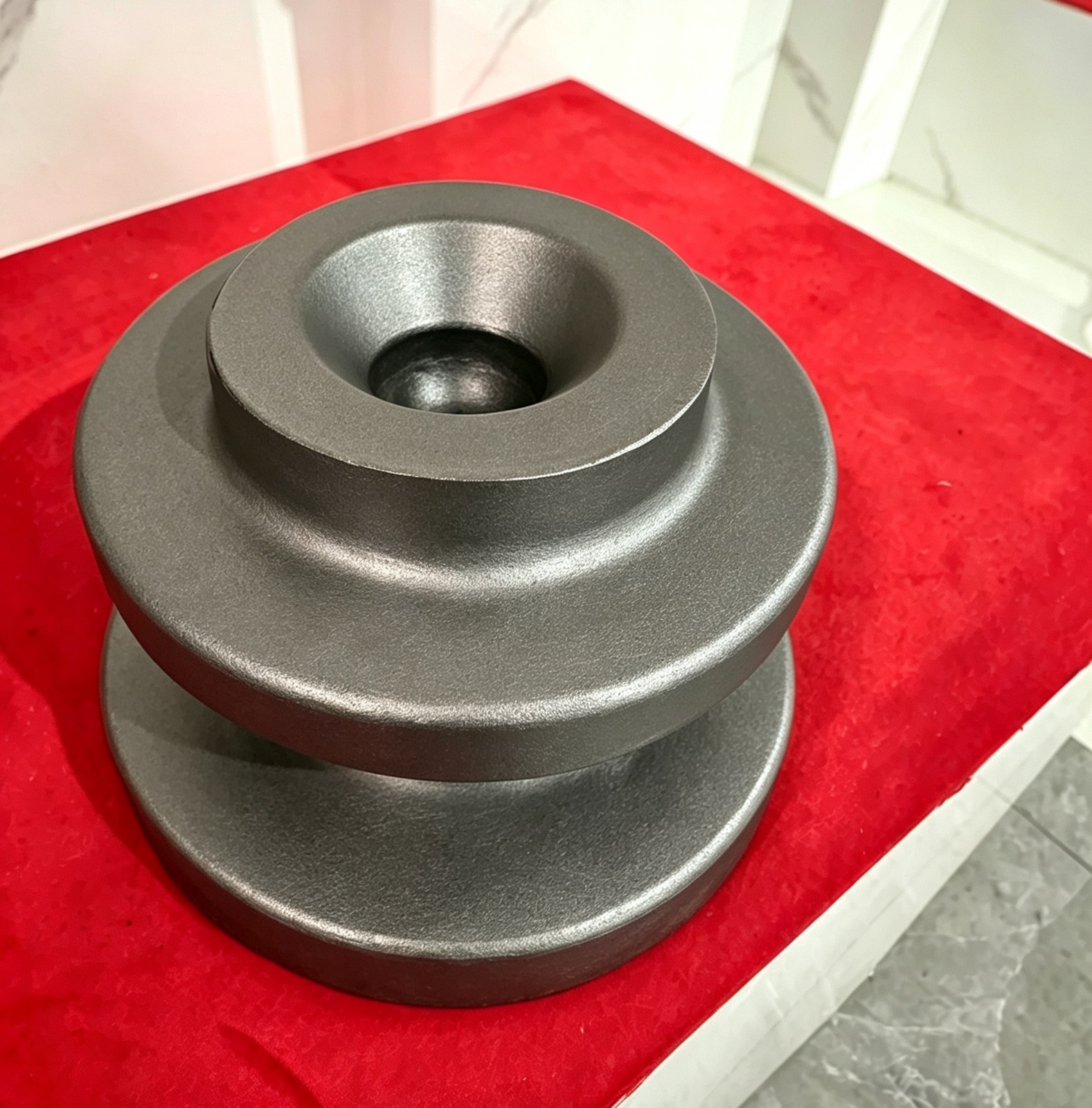
Nickel alloy is the most expensive metal most buyers will put into a forging, and it is also the hardest to machine, so the two places a supplier can take cost out are material and cutting time. Forging near to shape does both: a near-net blank spends less alloy and leaves less of the hard work to the machine shop. Cutting the part from bar does neither.
The rest of the value is in keeping the chain in one place. We forge on the 6,000 T multi-directional press, solution anneal in our own furnaces with the cycle recorded, and test in our own laboratory, under the same quality system that carries our API Spec 20C licence and NORSOK M-650 qualification. Parts from 5 kg to 520 kg, with machining to Ø600 × 1000 mm.
Related Reading
Frequently Asked Questions
Can you forge Alloy 625 valve bodies?
Yes, and they are one of the reasons we keep nickel work on the large press. Bodies and covers from 1/2″ to 12″ in Class 150 to 2500, forged, solution annealed and tested here. Send the drawing and the specification and we will come back on feasibility and price.
What is the difference between Alloy 625 and Inconel 625?
Nothing material: Inconel 625 is Special Metals’ trade name for Alloy 625, UNS N06625. We write the alloy number and the UNS number so the grade on the drawing, the certificate and the mill paperwork all refer to the same thing.
Do you forge to ASTM B564?
Yes. B564 is the nickel alloy forging specification, and the 625, 718 and 825 work we quote is made to it. Where a customer’s own specification adds testing or hardness limits on top, we work to the tighter of the two.
Is 625 suitable for sour service?
Alloy 625 is listed in NACE MR0175 / ISO 15156, so it is one of the grades specified for hydrogen sulphide service. The hardness and heat treatment requirements in the standard apply to the finished part, and we work to them when the specification names NACE.
What documentation comes with a 625 order?
A certificate traceable to the heat as standard, and a witnessed 3.2 where the project calls for one, quoted separately. Test results and the heat-treatment record travel with the parts, and audits for offshore and oil and gas work normally ask for our API Spec 20C licence (20C-0051) and our NORSOK M-650 qualification; both are in place.
Send the drawing with the service conditions and we will quote it.