A ball valve cover closes the top opening of the valve body and carries the stem, the seat retainer or the trunnion. It is part of the pressure boundary, so the joint between cover and body is one of the places a ball valve is most likely to leak.
On three-piece ball valves the two outer sections are called end covers, or left and right bodies. They close the ends of the valve rather than the top, and they carry no stem bore. We forge them alongside the top covers.
Longrui Forging forges covers from 1/2″ to 12″, Class 150 to 2500, in floating and trunnion patterns for two-piece and three-piece ball valves, supplied as-forged or machined to your drawing.
What We Forge
- Covers (bonnets) for two-piece ball valves, floating and trunnion mounted
- Left and right bodies (end caps) for three-piece ball valves, the two outer sections that bolt around the centre
- Bolted covers with the flange, bolt circle and gasket face forged in
- Welded covers with the weld preparation forged in place of bolt holes
- Extended and long bonnets for cryogenic and insulated service
- Covers with the actuator mounting pad or stem bore forged in, not welded on
- Machined to drawing up to Ø600 × 1000 mm, single pieces up to 520 kg
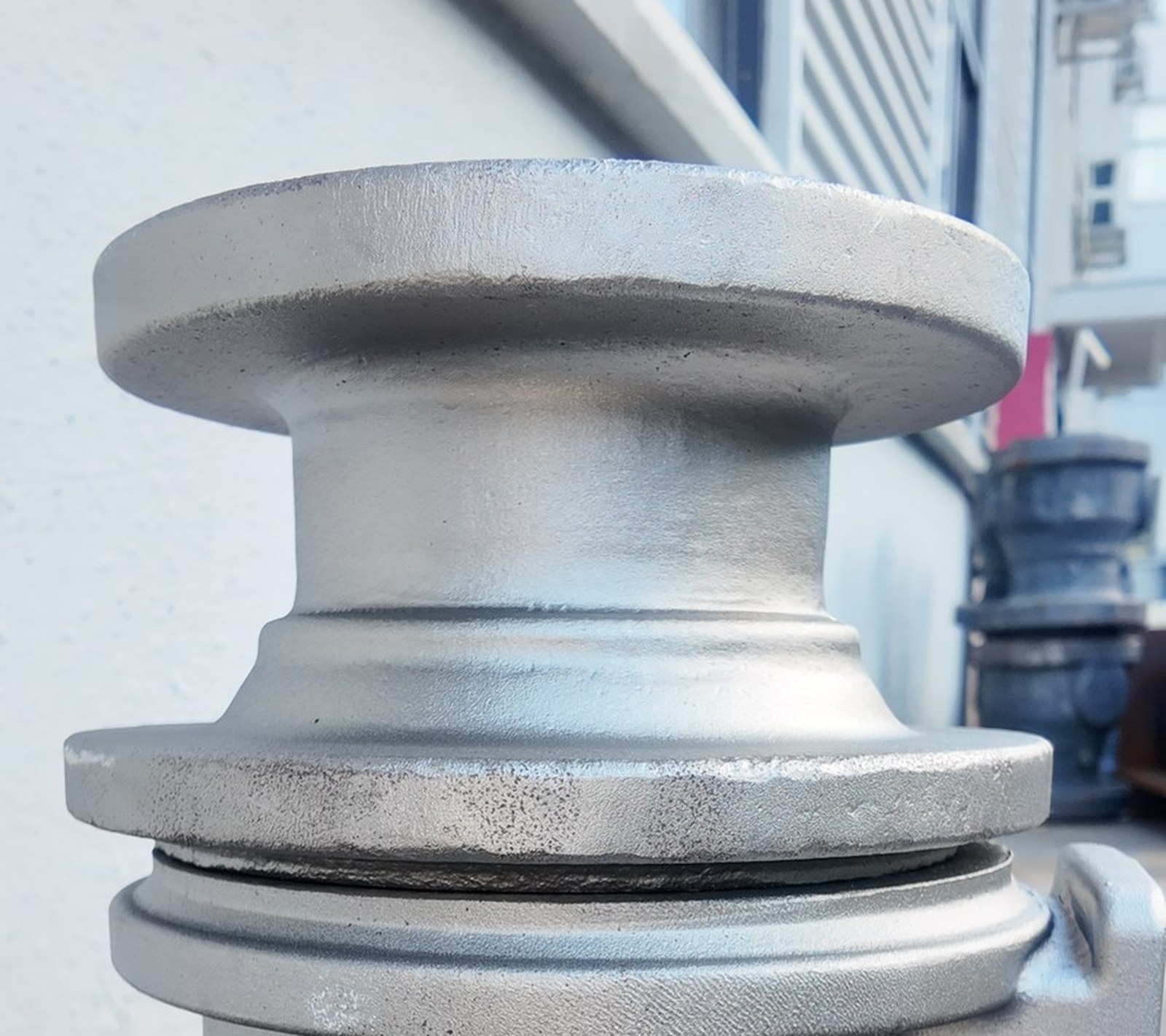
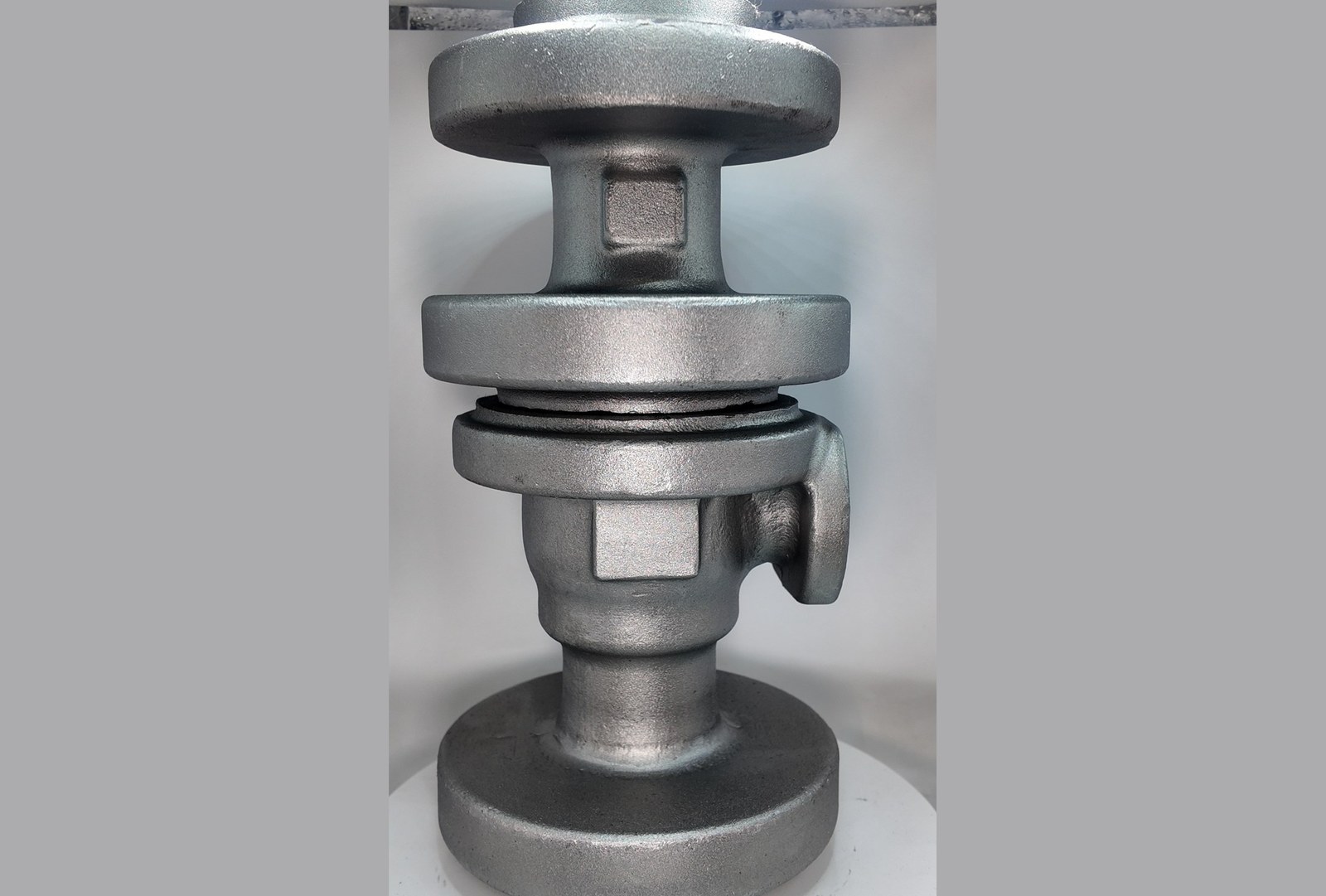
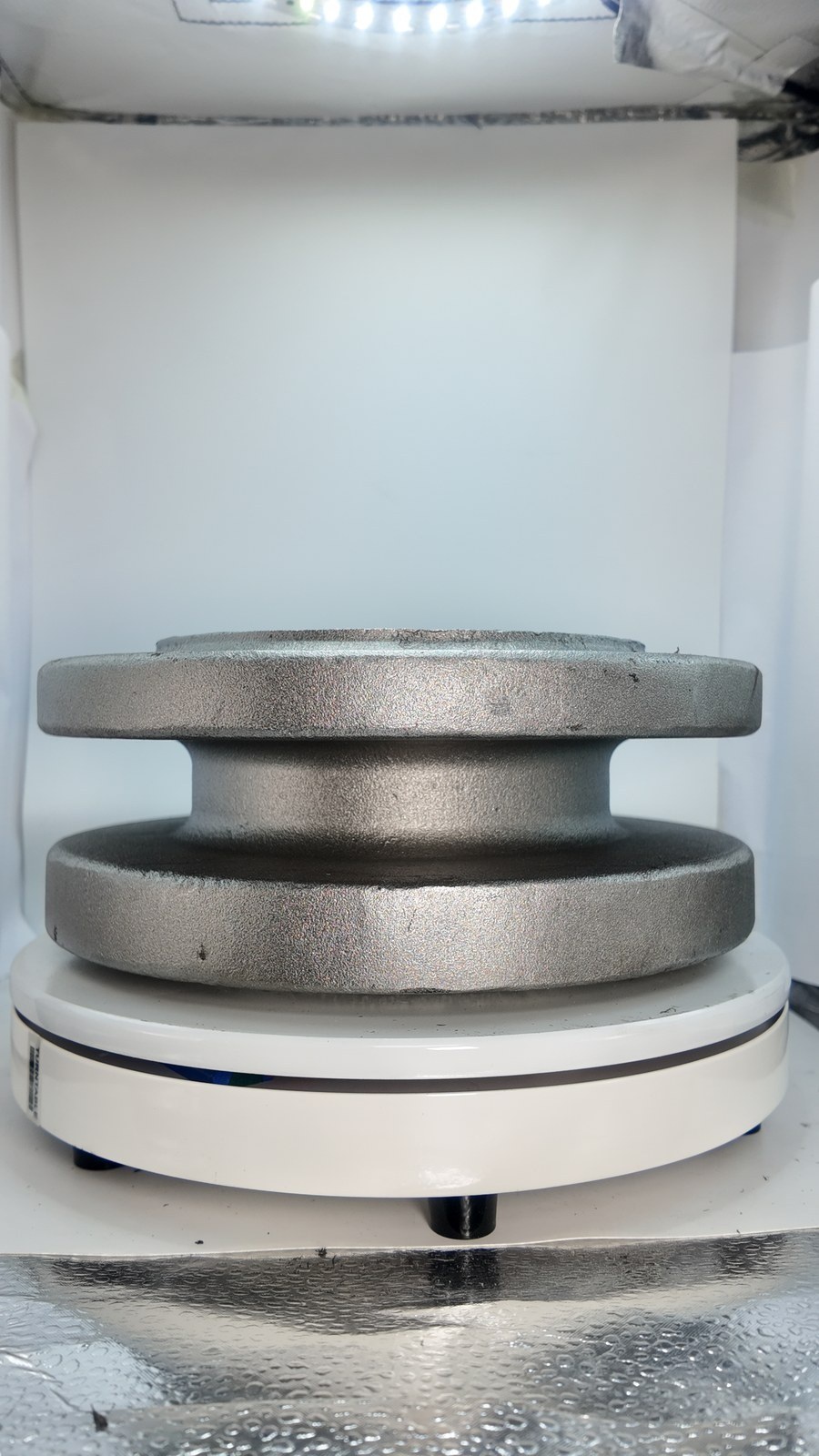
Valve Cover or Valve Bonnet: the Same Part, Two Names
On a ball valve this part is usually called the cover. On gate, globe and check valves the equivalent part is called the valve bonnet, and that is the name on most of those drawings. Drawings and purchase orders use both words, and so do buyers, which is why it is worth saying plainly: we forge this part either way. Send the drawing rather than the name, and there is no ambiguity to resolve.
How the Cover Joins the Body
The joint design decides most of what the forging has to carry, and it is normally fixed before the part is quoted.
| Joint design | How it seals | What we forge into the cover |
|---|---|---|
| Bolted | Bolting compresses a gasket between the body and cover flanges. The valve can be opened on site for maintenance. | Flange, bolt circle, gasket face |
| Welded | The cover is welded to the body, so there is no gasket and no bolted joint to work loose. The seal lasts, but the valve cannot be opened on site. | Weld preparation in place of bolt holes |
| Pressure seal | Line pressure pushes a seal ring against the cover, so the joint tightens as pressure rises. Common in high-pressure steam and power service, and lighter than a bolted design because the heavy flanges and bolting are gone. | Seat for the seal ring and thrust ring, no body flanges |
The gasket face in the cover has to match whatever the body carries, and the usual types are spiral wound, metal jacketed, kammprofile and ring joint (RTJ) for high-pressure work. Ring joint and spiral wound metallic gaskets are dimensioned by ASME B16.20. If the face type is not called out on the drawing, tell us which gasket you intend to use and we will machine to suit.
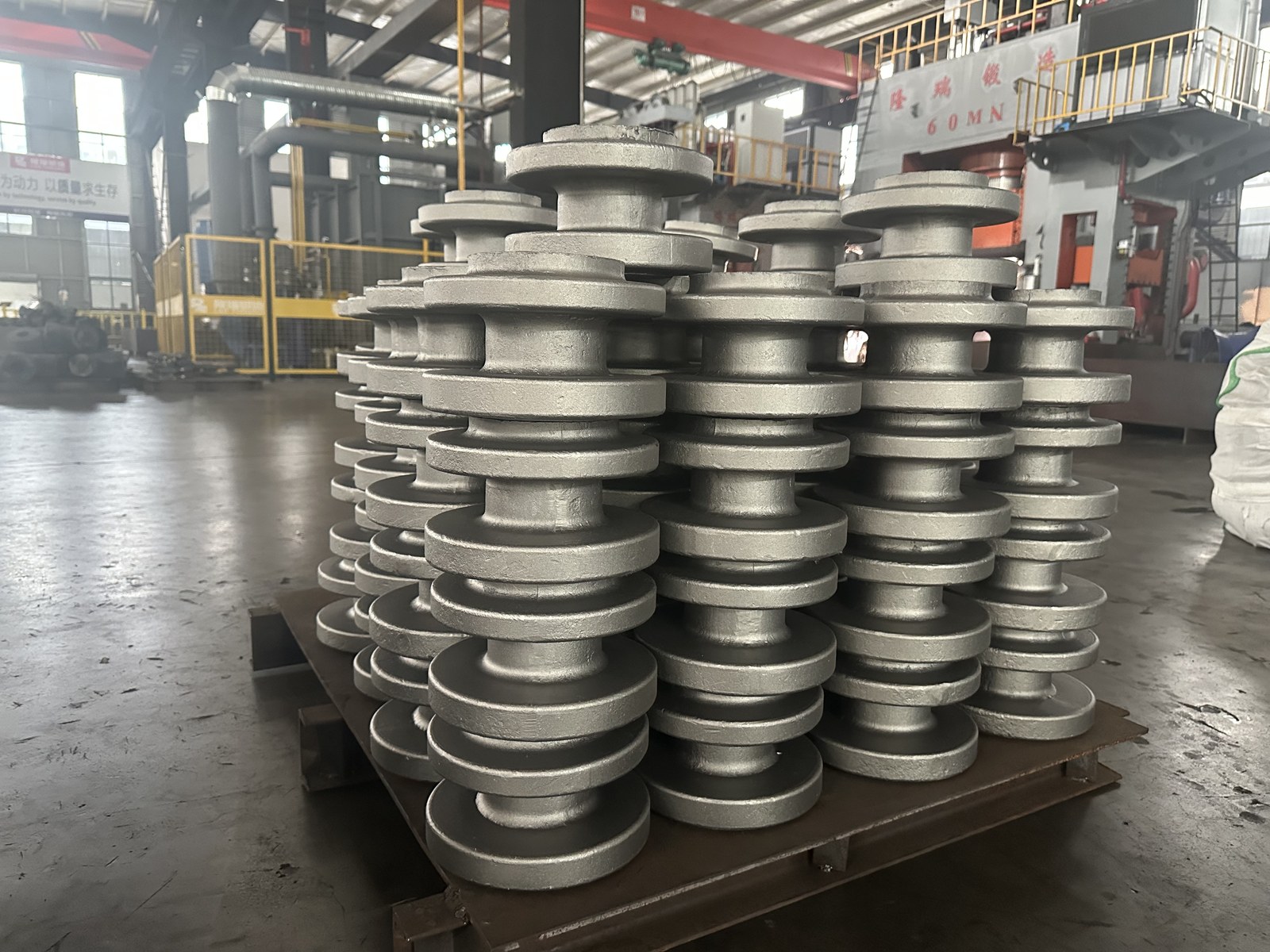
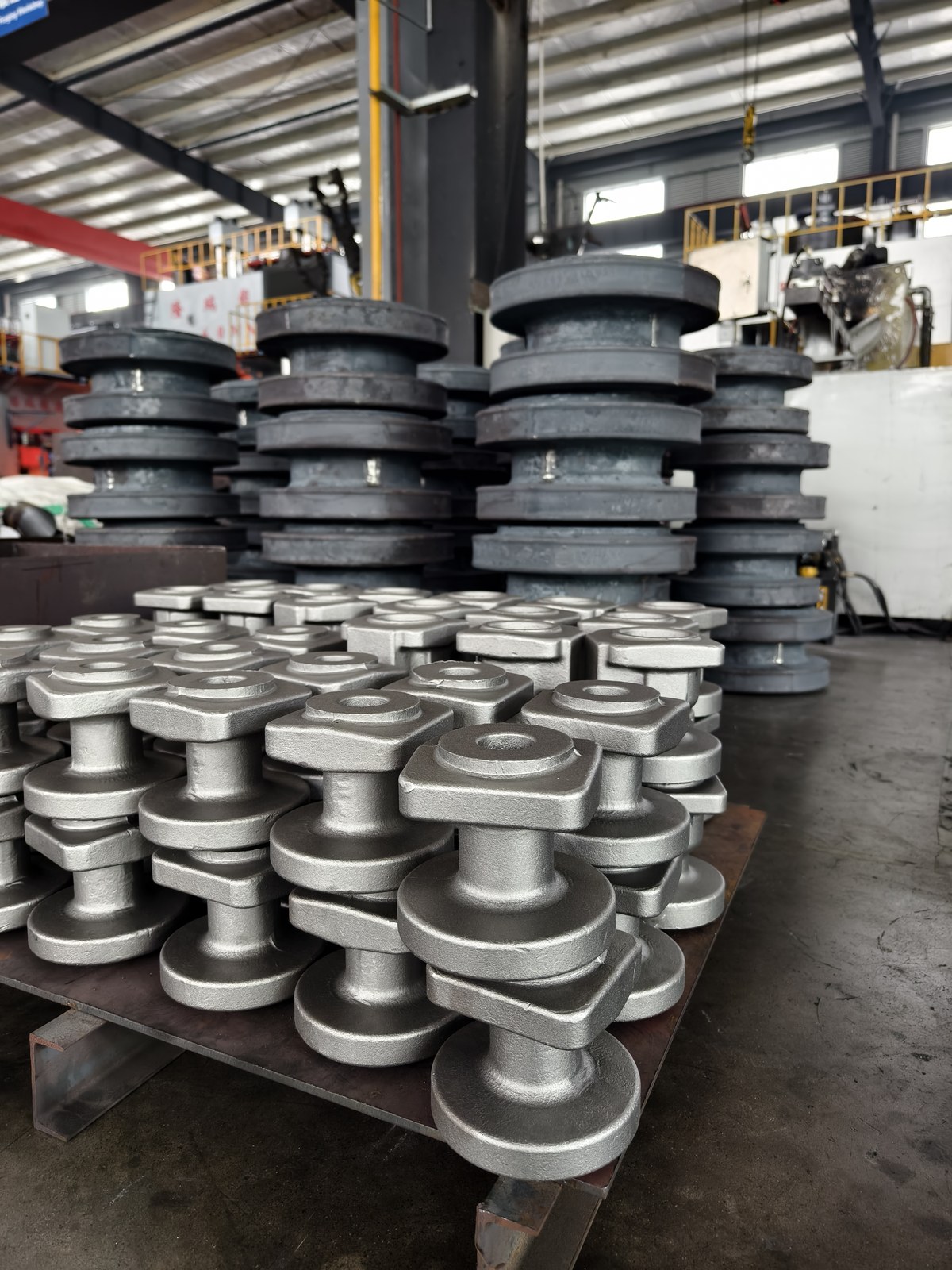
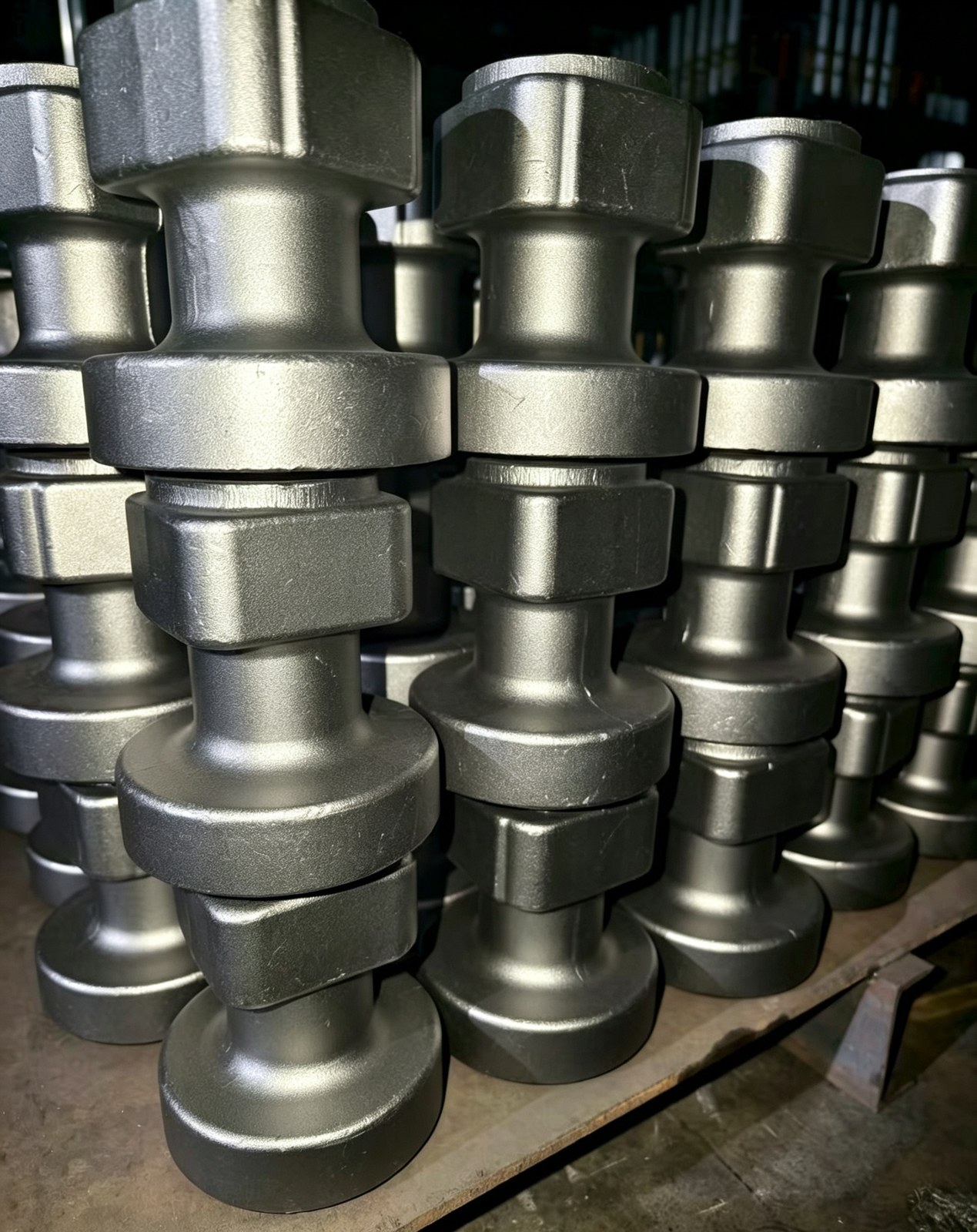
Extended and Long Bonnets
Cold service needs a longer cover, not a taller valve. LNG and other cryogenic duties use an extended or long bonnet so that the stem seal sits well above the cold region. That keeps the packing from icing and holds the gland at a workable temperature. Extended bonnets also appear where the line will be insulated, so the insulation can be carried past the body without burying the operator. Where a drawing calls for an extension, it is forged as part of the cover rather than fabricated from bar.
What Else We Forge for a Ball Valve
Three parts of a ball valve hold pressure: the body, the cover, and on three-piece designs the two outer bodies. We forge them all.
| Part | What it does | Where it comes from |
|---|---|---|
| Body | main pressure shell, carries the seat and the bore | forged by Longrui |
| Cover (bonnet) | closes the body, carries the stem or the trunnion | forged by Longrui |
| Left and right bodies | the two outer sections of a three-piece valve | forged by Longrui |
| Ball | the rotating closure element | machined and lapped by Longrui |
| Stem | transfers torque from the handle to the ball | machined by Longrui |
| Seat rings | sealing faces against the ball | machined and lapped by Longrui |
Choosing the Grade
A cover sees the same service as the body it sits on, so the two are normally specified in the same grade.
| Service condition | Usual grade | Why it is specified |
|---|---|---|
| General oil, gas and water service | ASTM A105 | Good yield strength, easy to machine, widely available |
| Low-temperature service | A350 LF2 | Charpy impact tested at −46 °C (−50 °F) |
| Chloride-bearing and chemical service | A182 F316 | Molybdenum content resists pitting and crevice corrosion |
| Seawater and offshore topsides | A182 F51, F53, F55 | Duplex structure gives high strength with chloride resistance |
| High-temperature steam and power service | A182 F91, F92 | 9% chromium grades, where carbon and low-alloy steels run out of strength |
| Sour service with H2S | A105 or A350 LF2, hardness controlled | Hardness held under the NACE limit to avoid sulfide stress cracking |
| Severe corrosion at high temperature | 625, 718, 825 (nickel alloys) | Where stainless steel is not enough |
Two mistakes are expensive. A cover in A105 on a wet chloride line pits and eventually perforates, because carbon steel has no defence against chloride pitting. A cover in F316 on a high-temperature steam line creeps under load and takes the seat alignment with it. Both are avoidable at the drawing stage. Send the service condition along with the drawing and we will tell you whether the grade on it fits. The full grade list is on the materials page.
Standards and Documents
Your purchase order will normally name the standards it wants the part checked against. Material standards are ASTM A105, A182 or A350; pressure and temperature ratings come from ASME B16.34; ball valve design from API 6D for pipeline service, or API 608 and ISO 17292 for process service. Where the line carries hydrogen sulfide, NACE MR0175 / ISO 15156 governs the material. Inspection documents are called out as EN 10204 3.1, or 3.2 where a third party has to countersign.
We issue what the order asks for rather than more: composition from the spark spectrometer, mechanical test results, impact tests where the grade requires them, a heat treatment chart, UT reports, and dimensional reports on machined parts.
Quality and Certificates
Every heat is verified on the optical emission spectrometer before it is cut, and the material identity is re-checked with a handheld XRF before dispatch. The cover line runs under the same API Spec 20C quality system as the body line, with third-party audits covering NORSOK M650, PED 2014/68/EU, AD2000-W0 (TÜV NORD) and BV Mode II. The certification list and the notes on API Spec 20C and NORSOK M-650 set out what each one covers.
How to Order a Cover
Send the drawing in whatever format you have it (PDF, DWG or STEP) and tell us:
- the material grade, and the standard it is called out to
- pressure class and size
- the joint design: bolted, welded, pressure seal or extended bonnet
- quantity and required delivery date
- machining scope: as-forged, rough machined or finished to drawing
- NDT and documentation requirements
- any third-party inspection you want to appoint
We check die-forging feasibility against our presses, work out the tooling, and quote. Most quotations go out within 24–48 hours. Custom sizes and drawings are our normal business rather than a special case, and the multi-directional die design behind them is covered by 5 granted patents.
Why the Cover Is Forged Too
The cover carries the same pressure as the body, and it takes the stem through a bore that is often the thinnest section on the valve. Forging gives that wall a structure that follows the shape instead of a cast structure, closes internal porosity, and leaves the flange and the stem bore close to finished size, which is where the machining cost sits. Because a cover and its body are usually made for the same valve, we keep them on one material and heat treatment route: same grades, same furnace records, same test laboratory, and one heat number trail from billet to dispatch.
Buying Forged Valve Covers from China
An order for covers from a Chinese forge comes down to three things, and they are worth settling before the drawing is released rather than at goods-in. The steel first: which grade, which heat, and whether the heat number can be followed from billet through forging and heat treatment to the finished bore. Then the heat treatment: a cover takes the stem through what is often the thinnest wall on the valve, so the tempering or the solution treatment has to be recorded and named on the certificate. Last the paperwork and the witness: EN 10204 3.1 comes as standard, a 3.2 signed by an outside inspector can be arranged where the project requires it, and inspection at the works, yours or a third party’s, is welcome either way.
We forge and machine covers in Yunhe County, Zhejiang, on one site, so there is no trader standing between the drawing and the part.
Frequently Asked Questions
What is the difference between a valve cover and a bonnet?
Same job, two words. Ball valve makers say cover; gate, globe and check valve makers say bonnet. Both are the part that closes the body, and both sit in the pressure boundary and take the same pressure as the body. Where they differ is where the part sits on the valve, and whether it carries the stem, the seat retainer or the trunnion.
Do you forge the cover on its own or together with the body?
Either. Some customers buy the cover alone, as a spare or for their own assembly, and some buy the pair. If the two parts have to be a matched set, say so when you send the drawings, and we will confirm what we can do before you commit to tooling.
Which bonnet designs can you forge?
Bolted covers with the flange and bolt circle forged in, welded covers with a weld preparation instead of bolt holes, and extended or long bonnets for cryogenic and insulated lines. Covers that take a pressure seal ring are forged with the seal seat integral.
What sizes and pressure classes can you forge?
Covers from 1/2″ to 12″, in Class 150, 300, 600, 1500 and 2500, for floating and trunnion mounted valves in two-piece and three-piece designs.
Which materials do you forge covers in?
A105, A350 LF2, AISI 1045, the alloy steels 4130, 4135, 4140, 5140 and A182 F91 and F92, stainless F304, F316, AISI 420 and 17-4 PH, duplex and super duplex F51, F53 and F55, and the nickel alloys 625, 718 and 825.
Can you forge a cover to our own drawing?
Yes, that is most of what we do. Send the drawing and we will confirm die-forging feasibility and quote. If the grade does not suit the service you describe, we will say so before you commit to tooling.
Do you supply covers as spare parts?
Yes. Replacement covers are a normal order for us, and for a model we already have tooling for there is no new die cost.
What documents come with the delivery?
Composition and mechanical test reports, impact test results where the grade requires them, heat treatment charts, UT reports, and dimensional reports on machined parts. Third-party or EN 10204 3.2 documentation can be arranged when your specification asks for it, and is quoted separately.
How is the price calculated?
Price depends on the material grade, the size, the pressure class, the machining scope, the NDT requirements and the quantity. Send the drawing or specification through the RFQ form or email sales@longruiforging.com, and you usually have the quotation within 24–48 hours.
One drawing is enough to price the tooling alongside the part.
What is a valve bonnet?
A valve bonnet is the part that closes the top opening of a valve body and carries the stem, the packing and the operator. On gate, globe and check valves it is called the valve bonnet; on ball valves the same part is usually called the cover. It sits in the pressure boundary, so we forge it in the same grade as the body, on the same heat treatment route and with the same test scope.